Dimensioning in Warehouse Automation and Intralogistics
The right 3D Vision technology makes all the difference
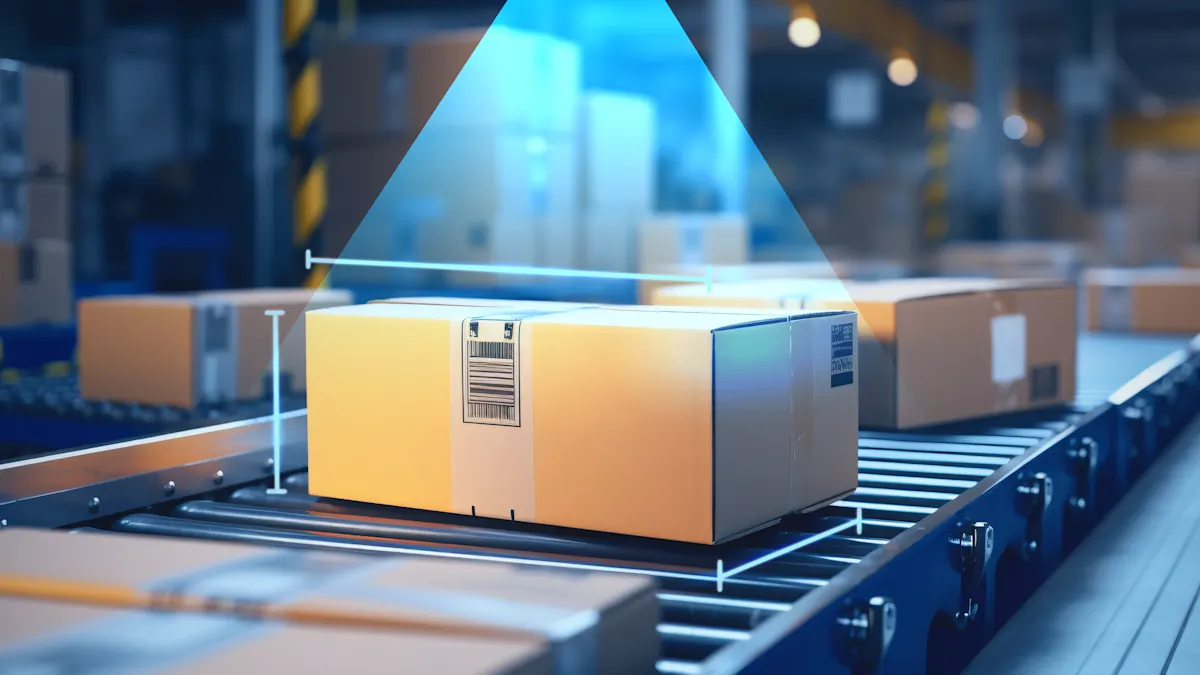
Whether dimensioning parcels or pallets, volume measurements plays a key role in automating logistics processes—from storage and sorting to palletizing and shipping. Modern machine vision solutions provide the measurement data needed to optimize efficiency, accuracy, and throughput.
Last updated: 07/06/2026
Reading time: approx. 17 Minutes
Key facts about dimensioning in warehouse automation
Working distance is a key factor when selecting the right dimensioning solution. Depending on the distance between the camera and the object, different 3D technologies and camera systems are used.
Different applications require different levels of accuracy. While an accuracy of ±5 mm is often sufficient for palletizing or sorting tasks, internationally recognized freight cost calculations require legal-for-trade solutions that comply with metrology regulations and provide higher measurement accuracy.
Material properties and environmental conditions have a significant impact on the choice of 3D technology and the camera used. Glossy, black, or semi-transparent surfaces and changing lighting conditions pose special challenges for image processing.
Time-of-flight technology is particularly well-suited for long working distances and is highly cost-effective. It enables reliable volume measurements even under challenging lighting conditions and supports complex logistics scenarios using HDR and synchronized operation of multiple cameras.
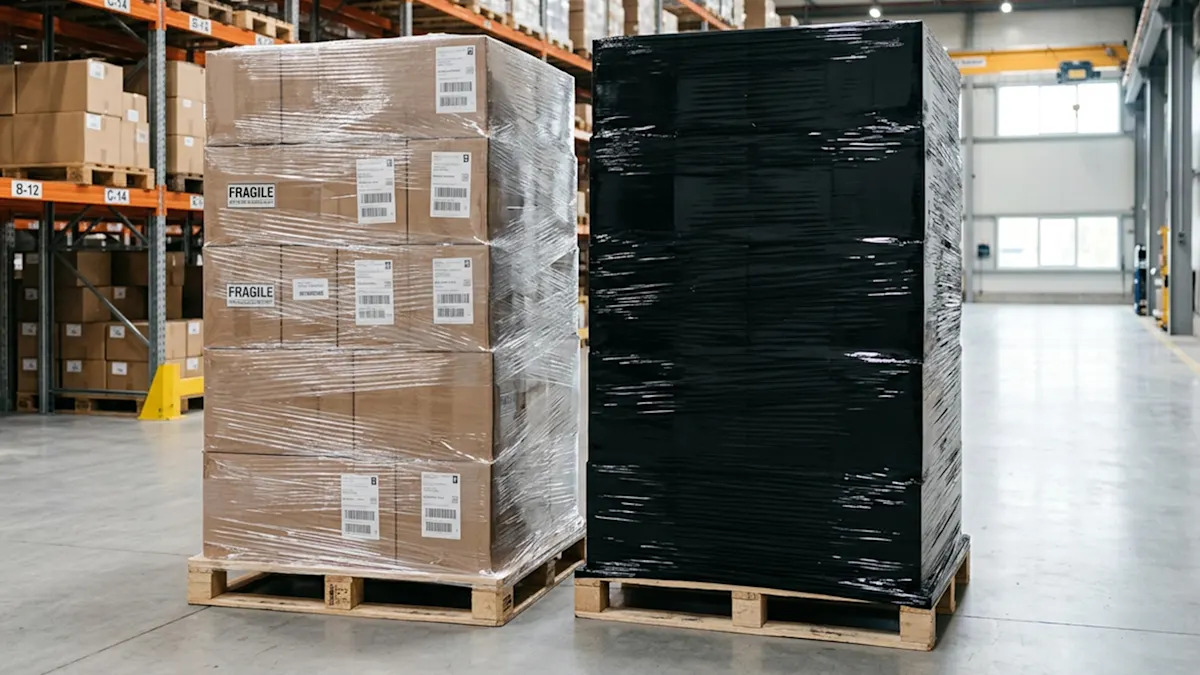
Stereo vision technology offers precision when dealing with challenging objects and materials. Active stereo vision, with a random-dot projector, allows items with difficult surfaces—such as reflective black film—to be detected reliably and precisely.
Compact stereo vision systems are particularly well-suited for mobile and space-constrained applications. Being lightweight, compact, and cost-efficient, they are ideal for robotic arms, occupancy and free-space detection on warehouse shelves, or confined warehouse environments.
Working distance as the starting point for the right dimensioning solution
Working distance—the distance between the camera and the object—is an important initial factor to consider when selecting the right 3D vision solution for volume or perimeter measurements. Depending on the distance, different machine vision technologies and cameras are used.
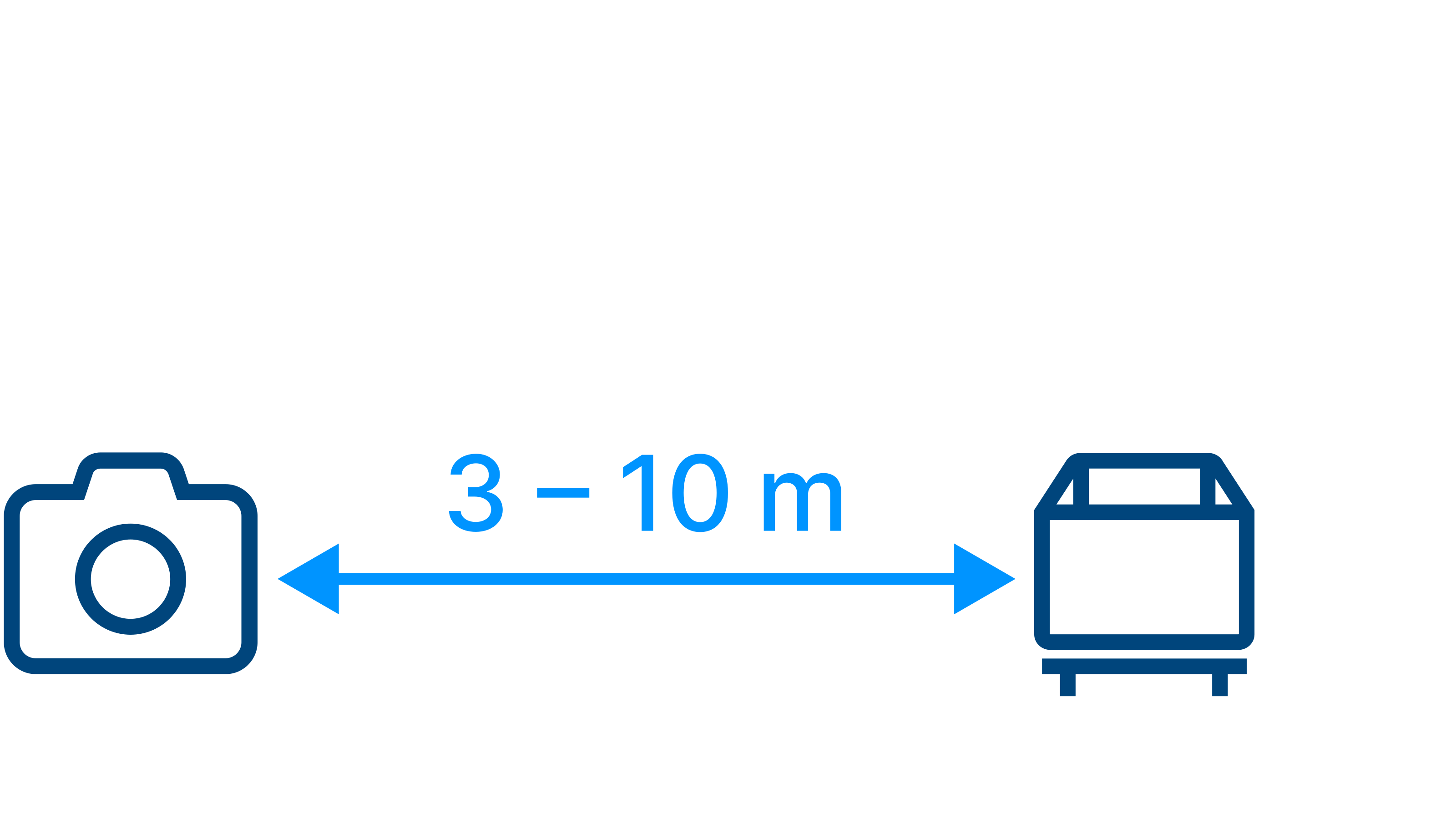
3 – 10 m
When measuring pallets and bulky cargo at this distance, an accuracy of ± 5 mm is achieved even under varying lighting conditions.
Solution for 3 – 10 m range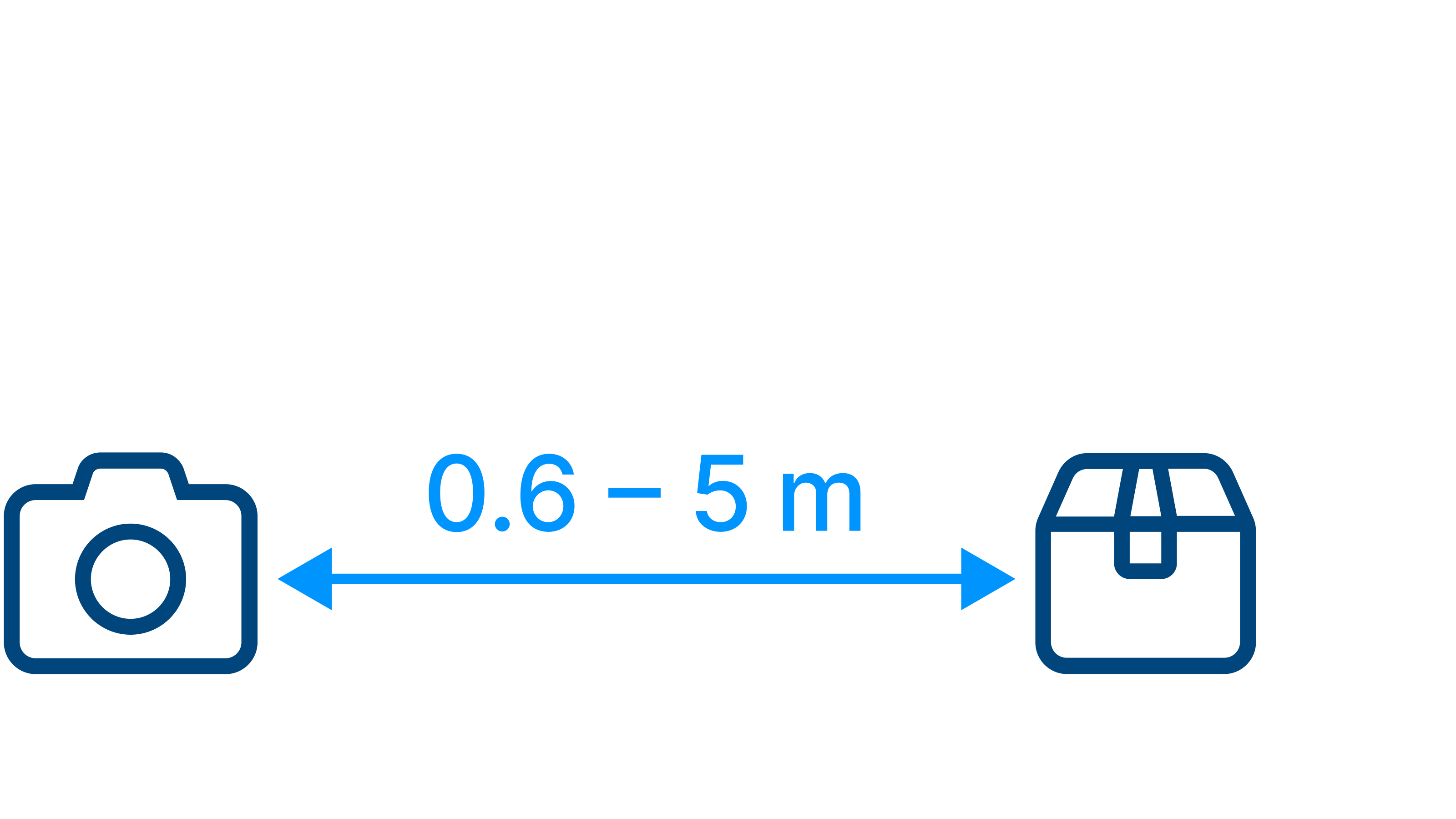
0.6 – 5 m
For smaller objects, complex surfaces, or when high measurement accuracy is required, precise 3D data can be captured even from a distance of several meters.
Solution for 0.6 – 5 m range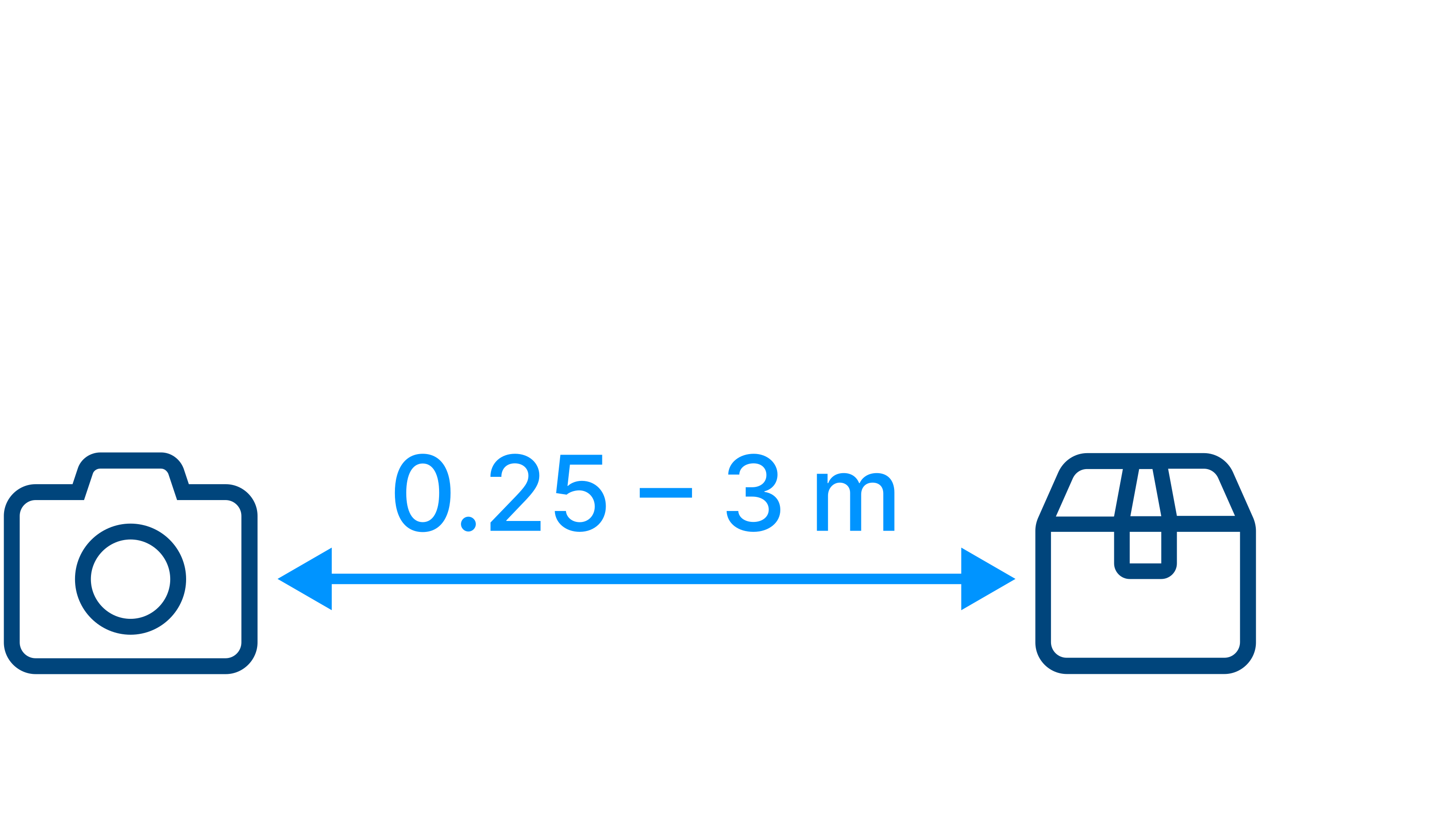
0.25 – 3 m
For short working distances, simple presence detection, or when space is limited, a compact, lightweight, and affordable 3D camera is often the most efficient choice.
Solution for 0.25 – 3 m rangeNot sure where to categorize your application?
Simply contact us. Our logistics team of product managers and application engineers will be happy to help you.
Contact us3 – 10 m range: Time-of-flight is the all-around solution
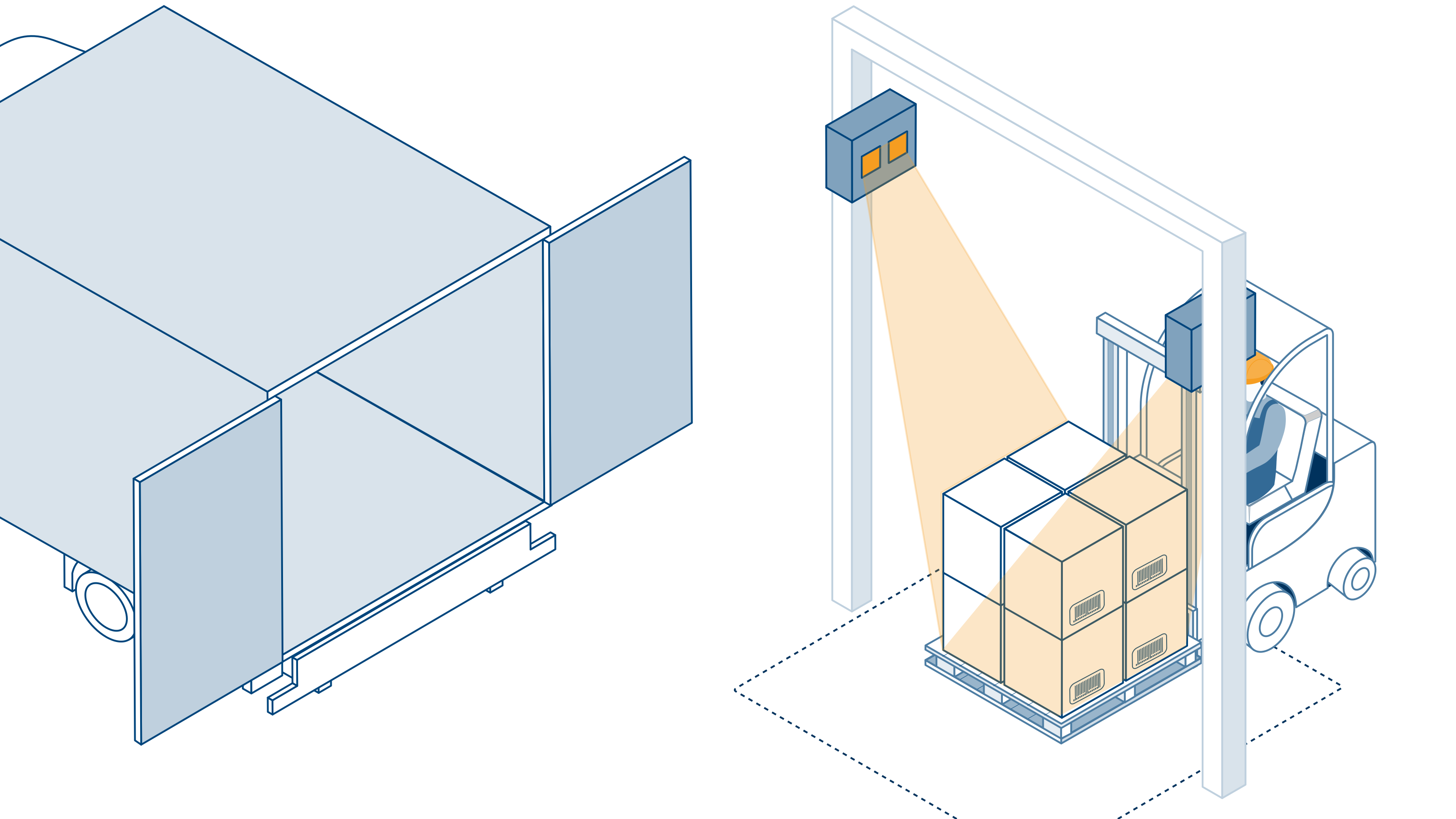
For many measurement tasks in warehouse automation and intralogistics, time-of-flight is the technology of choice. It combines a measurement accuracy of approximately ±5 mm—best suited for pallet and freight applications—with high robustness against changing, non-uniform lighting conditions and an attractive price-performance ratio.
Typical applications
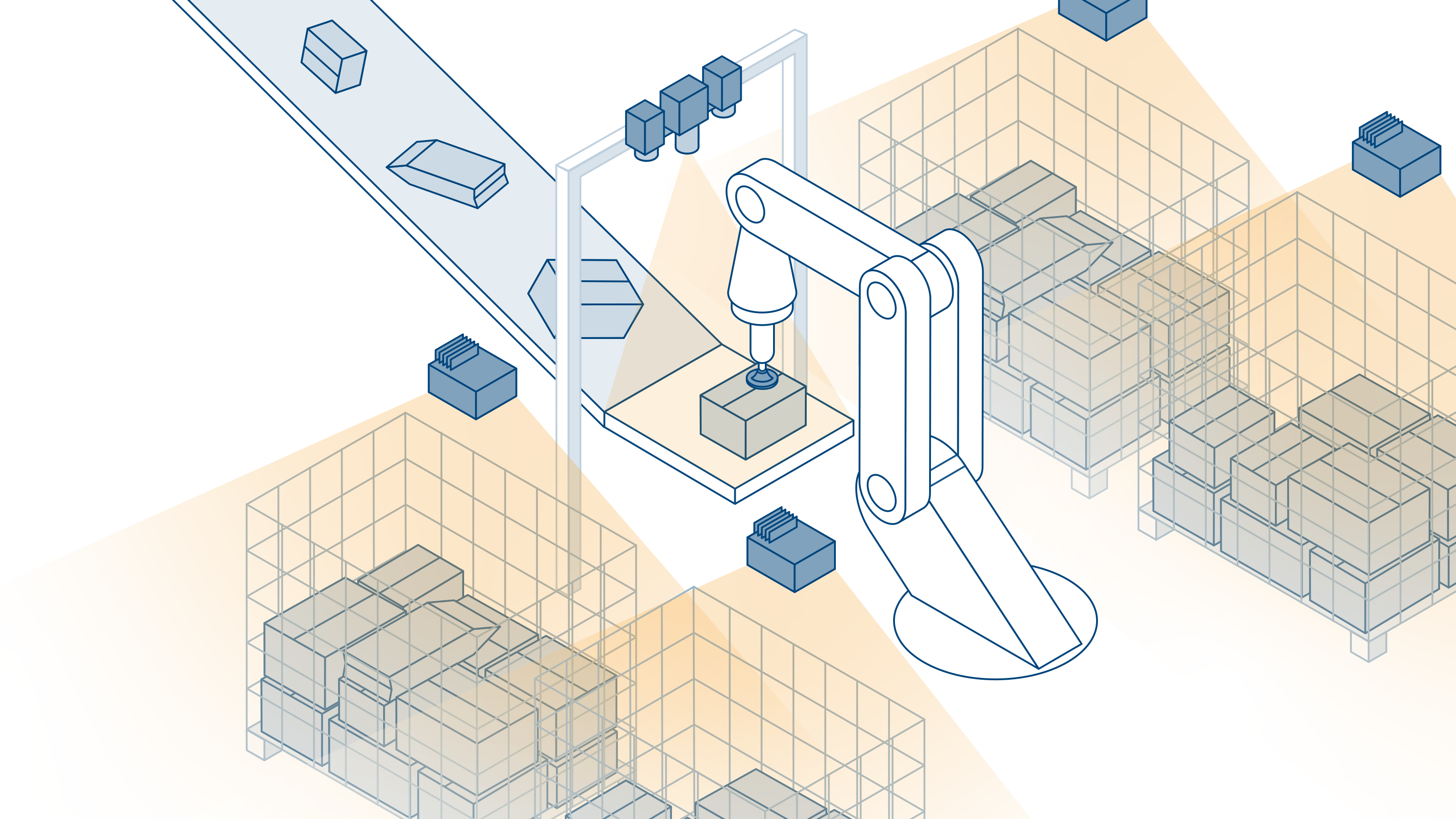
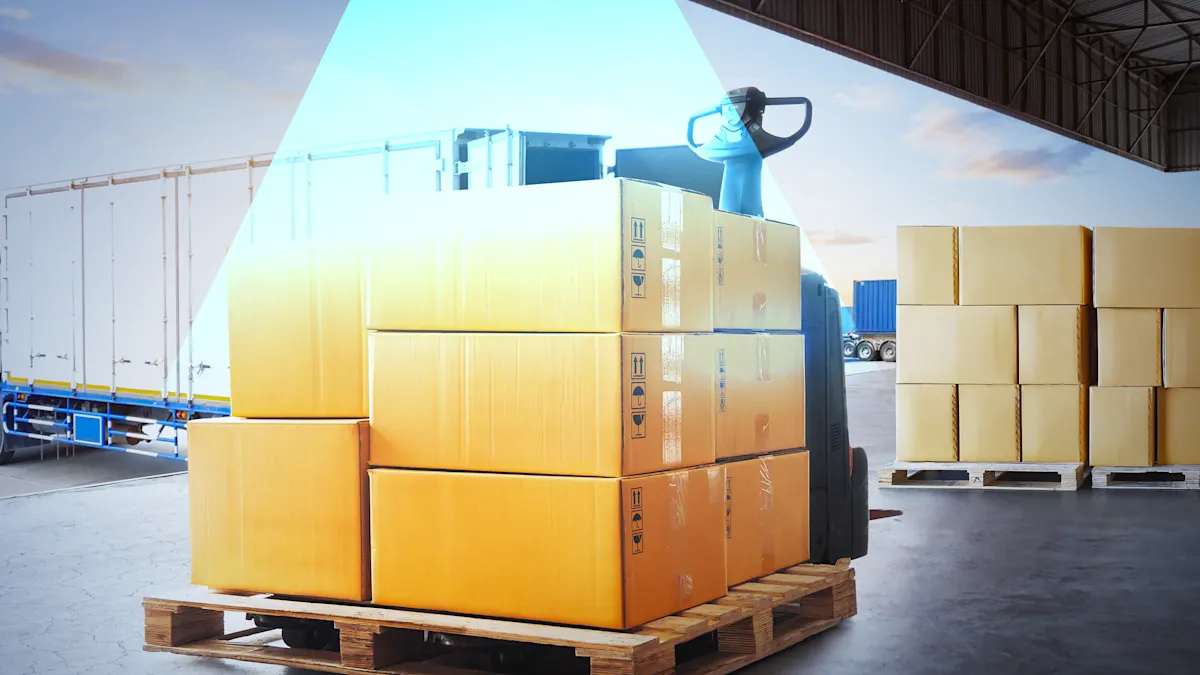
Typical applications include pallet dimensioning for depalletizing before goods are stored (inbound) and for palletizing and truck loading prior to shipment (outbound). 3D measurement can also be used to automate fill level measurement of pallet cages and the size-based sorting of boxes.
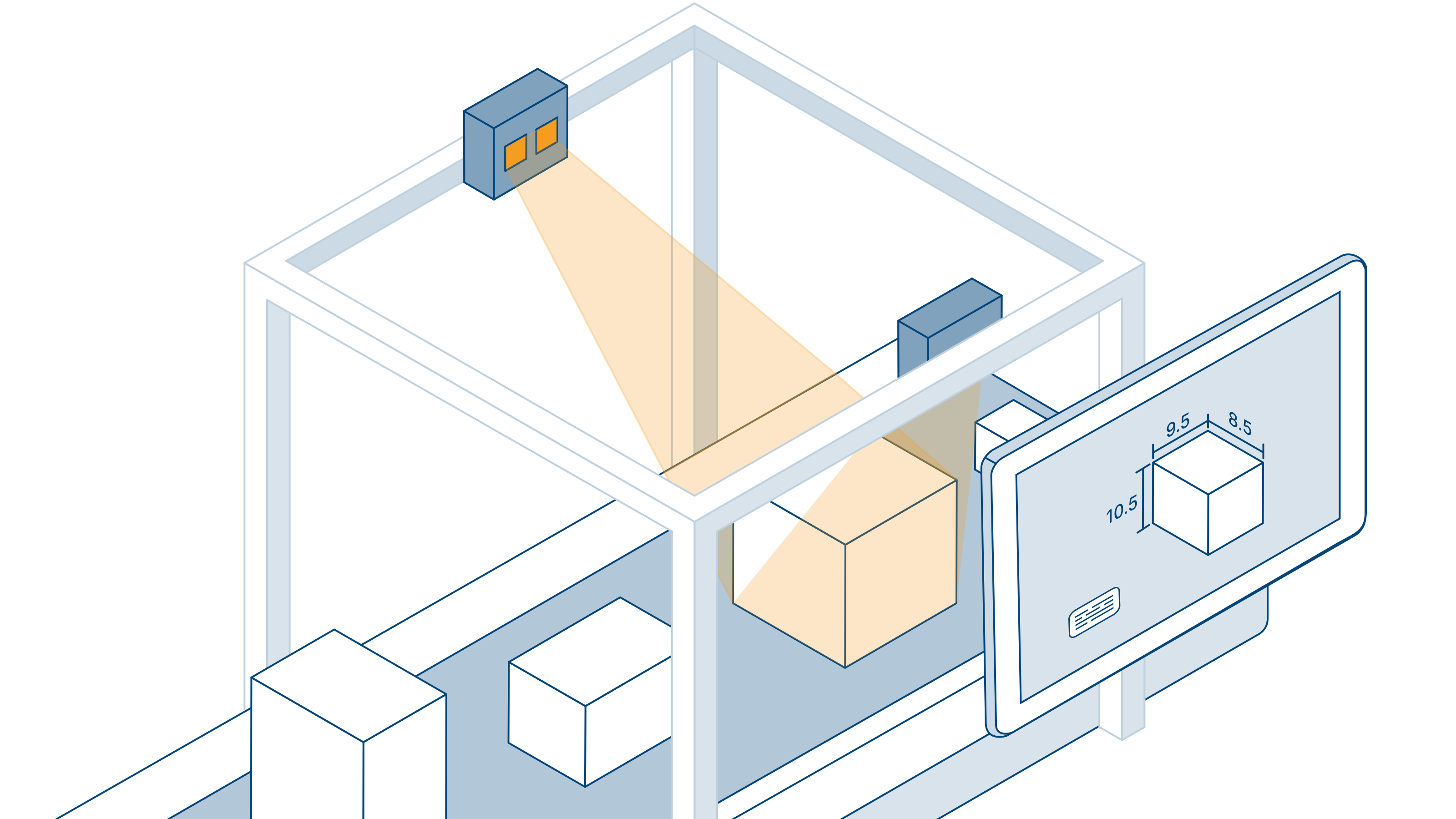
Basler ToF Camera: Reliable in changing lighting conditions and competitively priced
The Basler ToF Camera not only offers a wide field of view, but also handles changing lighting conditions and the effects of daylight with ease. It is also the most cost-effective vision solution for this working distance. The Basler ToF Camera is available starting at € 1,579.
Exceptional depth data thanks to the latest Sony DepthSense™ sensor technology.
Available in two versions with wavelengths of 850 nm or 940 nm: The 940 nm version is particularly robust, even when daylight causes fluctuating lighting conditions in warehouses or at loading docks.
Minimal latency and precise hardware triggering ensure fast 3D image capture
Dual exposure HDR feature: The extra edge when dealing with extreme differences in brightness
The High Dynamic Range (HDR) feature of the Basler ToF Camera was developed for high-contrast, complex scenes. In dual-exposure mode, two images with different exposure times are combined, allowing both very bright and very dark objects to be captured simultaneously. This ensures consistent measurement results, even when lighting conditions in the warehouse or at the loading dock change frequently.
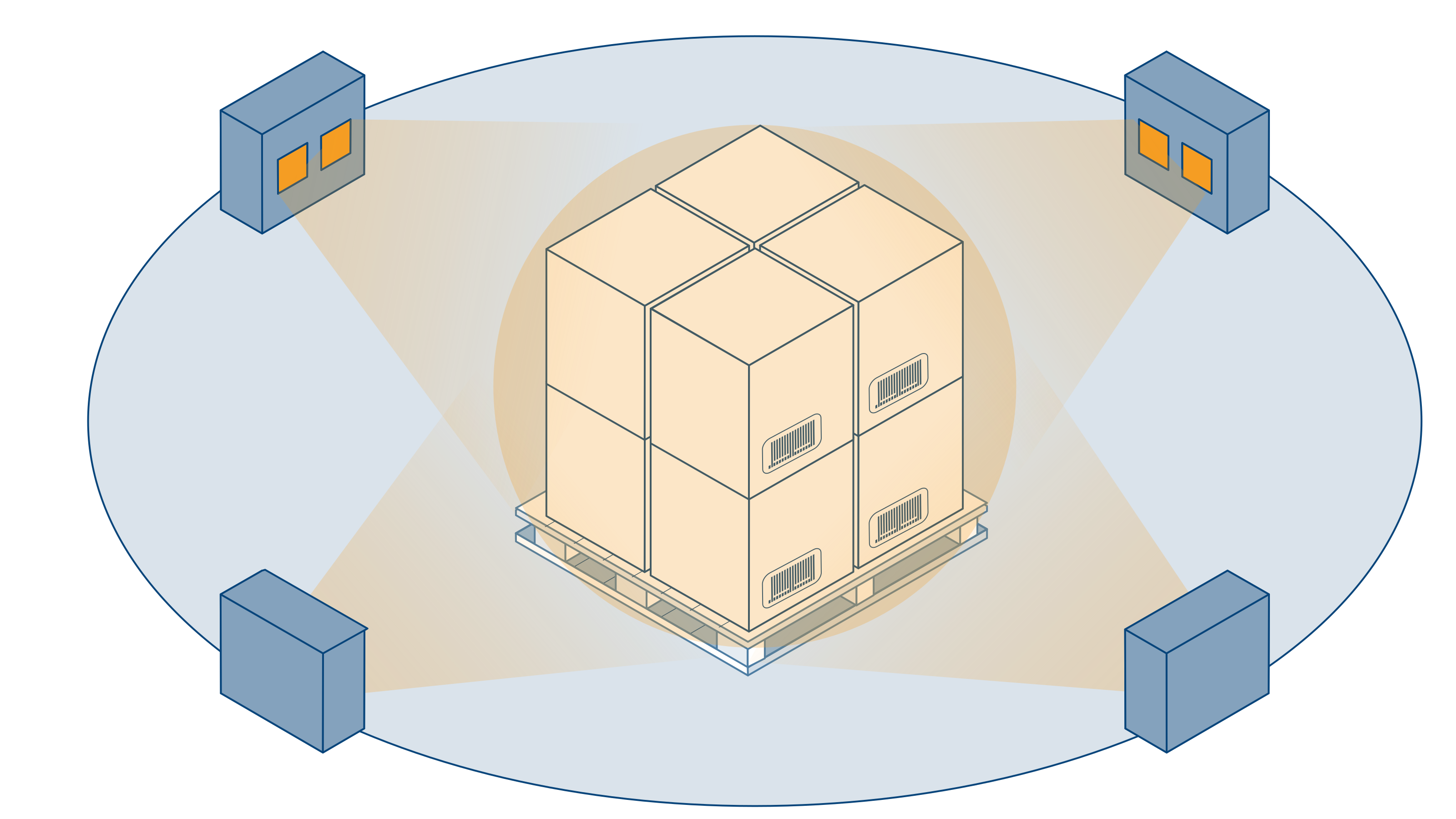
Multi-camera operation: Operate up to 7 ToF cameras simultaneously
A multi-camera system may be necessary to capture large objects or scenes, or when a 360° image is required. Multiple Basler ToF Cameras can operate seamlessly and in sync, even if they are on different networks.
0.6 – 5 m range: Active stereo vision for maximum dimensioning accuracy
From small objects several meters away to challenging surfaces such as glossy films, active stereo vision delivers dense, precise 3D point clouds, ensuring high accuracy even under difficult conditions.
Typical applications
Typical applications include solutions that comply with metrology regulations and meet high requirements for measurement accuracy, such as legal-for-trade certified volume measurement for freight cost calculation, volume measurement for optimized shipping processes, and dimensioning tasks involving reflective, black, or transparent materials and packaging.
Basler Stereo ace Camera: Precision Even on Challenging Surfaces
Our Stereo ace camera was developed for applications that require precision. It delivers measurement data accurate to the millimeter (± 2 mm at a working distance of 2 m), making it ideal for systems used in legally binding freight cost calculations and high-precision volume measurement. Compared to time-of-flight technology, it also enables reliable detection of black, glossy, and (semi-)transparent packaging materials.
Two 5 MP global shutter sensors capture even moving objects without distortion.
In addition to factory calibration, built-in self-calibration routines ensure consistently stable and accurate measurement results during operation.
Versions in mono and color
Baselines of 100, 200, and 300 mm for optimal configuration in terms of working distance
Reliable 3D dimensioning on challenging surfaces
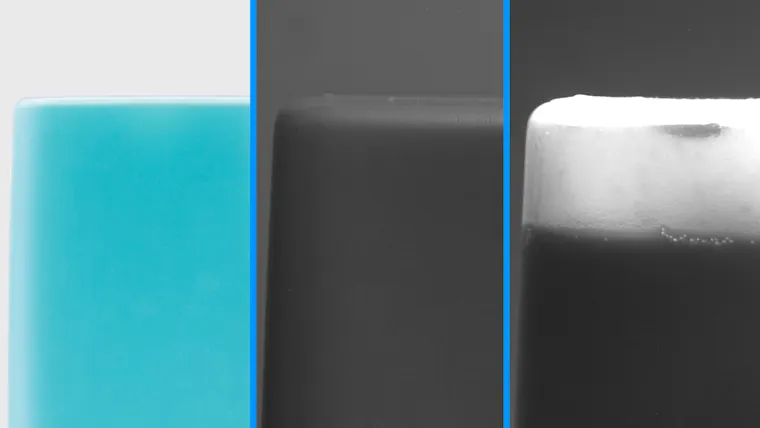
Black, glossy, and (semi-)transparent packaging materials pose challenges for many volume measurement methods: Black surfaces absorb a large portion of the incident light, while (semi-)transparent materials are prone to reflections and glare. The Basler Stereo ace camera delivers reliable 3D data even under such conditions.
In addition, the integrated random dot projector generates an artificial surface texture, making depth calculation even more robust and precise, even on materials with little texture, reflective materials, or light-absorbing materials.
0.25 – 3 m range: Compact stereo vision for space-constrained applications
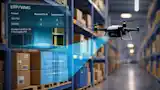
Precise 3D measurement even in tight spaces: The Basler Stereo mini camera is ideal for short working distances and limited space—whether in compact machines, mounted on a robot arm, or in other space-constrained environments.
Typical applications
Typical applications include image-guided robotics, level and inventory monitoring, the detection of occupied and vacant shelf spaces, and close-range 3D mapping tasks.

Basler Stereo mini camera: Small, lightweight, and affordable
Whether retrofitting existing systems or in applications with limited installation space, Basler Stereo mini cameras offer a powerful and cost-effective solution for 3D imaging. With a compact and lightweight design, they can be easily integrated even in tight spaces. The models are available starting at € 249.
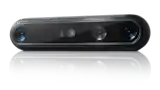
Compact, with dimensions starting at 90 mm x 25 mm x 30 mm
Weight starting at 97 g
Baselines of 50 and 95 mm for optimal configuration in terms of working distance and measurement volume
Easy integration via the Basler pylon SDK and GenTL
Reliable 3D depth data as a point cloud
Stereo mini cameras capture depth information using the stereo vision principle. A depth map is calculated based on the differences between the two images, which can be used as a 3D point cloud. For numerous applications, it provides a sufficiently detailed 3D representation of the environment—while keeping system costs low.
Overview: Which 3D camera stands out in which area?
The overview below compares the recommended 3D solutions, making it easy to see at a glance which camera best fits your application.
Technology | Time-of-flight | Active stereo vision | Active stereo vision |
|---|---|---|---|
Particular suitable for | Large objects, longer working distances | Precise 3D data, average working distances | Space-constrained installation situations and applications, short working distances |
Typical logistics applications | Pallet tracking, volume measurement, large packages, scene overview, obstacle detection | Bin picking, package and item recognition, object dimensioning | AMR, AGV, small installation spaces, short distances, obstacle detection |
Daylight capability | Very | Depending on the application | Depending on the application |
Moving objects | Suitable | Well-suited | Well-suited |
Compact design | o | – | ++ |
Price range | $$ | $$$ | $ |
Key advantages | Long range, operates independently of ambient light | High precision at a medium working distance | Compact design, excellent value for short-range applications |
Can we help you choose a product?
We'd be happy to advise you. Our logistics team will find the right solution for your application.
Contact usScan codes to track goods
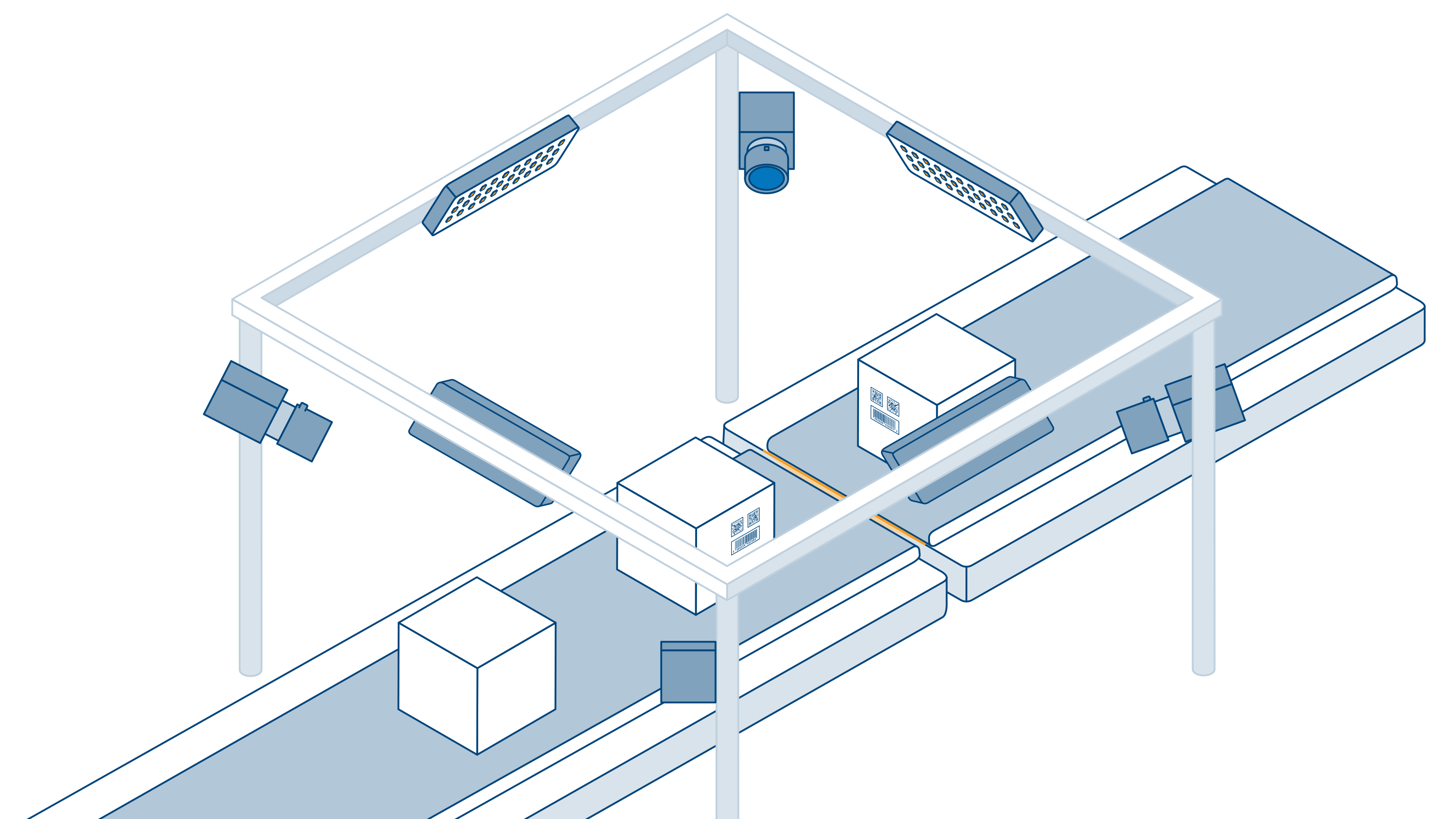
Simply add a camera and lens and allow your system to read 1D and 2D codes
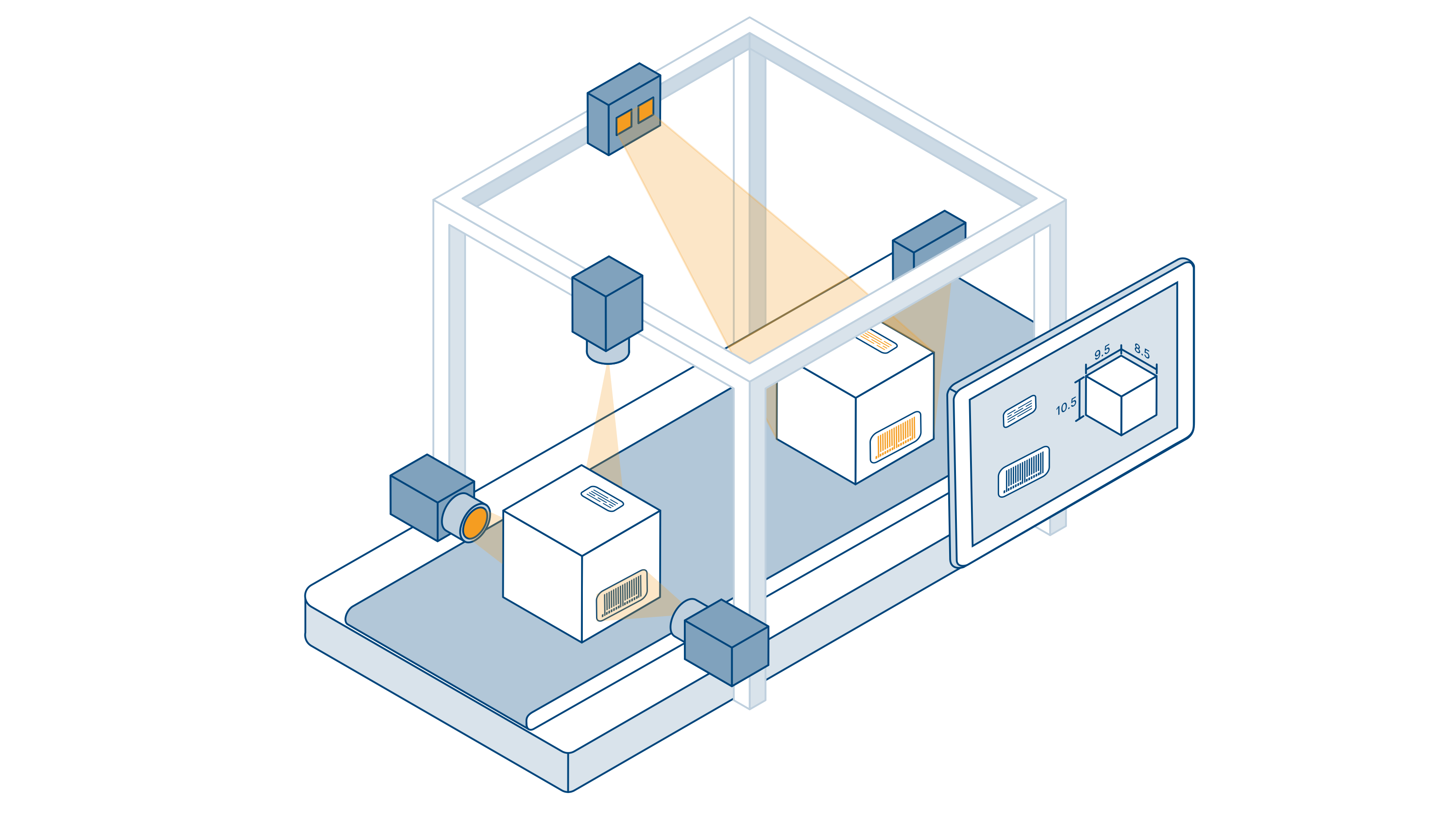
In package handling and intralogistics, the automatic recognition and reading of codes and text play a crucial role. By combining 3D measurement with 2D code reading, dimensioning and code identification can be performed in a single step.
Multi-camera systems increase throughput and are extremely versatile
Suitable for greenfield and retrofit applications
FAQ: Answers about dimensioning
LiDAR uses laser beams to detect the presence, position, and distance of objects in its environment. While it is highly effective for object detection and navigation, it primarily provides sparse point-cloud data and is less suited for precise dimensioning of complex objects.
3D vision technologies such as time-of-flight (ToF) and Stereo vision not only perceive the environment but also generate detailed depth information for every visible point in the scene. This enables accurate measurement and dimensioning of objects, even in dynamic and cluttered environments.
Why 3D vision is preferred for dimensioning:
Accurate object dimensions: 3D vision systems calculate exact length, width, and height measurements, making them ideal for dimensioning applications.
Dense depth data: Unlike LiDAR, which provides relatively sparse distance measurements, 3D vision captures a high-resolution depth map of the entire scene, resulting in more precise object boundaries and measurements.
Robust performance in busy warehouses: 3D vision can reliably measure objects even when the environment contains multiple sources of interference, such as pedestrians, forklifts moving unpredictably, pallets, and other packages.
Object recognition and classification: In addition to depth information, vision systems capture visual features that can be used for object identification, tracking, and quality inspection.
Better handling of irregular shapes: Detailed 3D data enables accurate dimensioning of objects with complex geometries that may be difficult to characterize using LiDAR alone.
Simultaneous measurement and context awareness: Vision systems provide both geometric and visual information, allowing them to distinguish target objects from surrounding clutter and improve measurement reliability.
Cost-effective scalability: Stereo and ToF camera systems often provide a favorable balance of performance, accuracy, and deployment cost for warehouse automation applications.
As a result, 3D vision offers a more comprehensive and reliable solution for dimensioning applications, delivering precise measurements while maintaining robust performance in complex, fast-changing warehouse environments.
The time-of-flight technology measures depth based on the travel time or phase shift of emitted and reflected light. For warehouse environments where lighting can change throughout the day due to skylights, open loading docks, switching LED fixtures, or shadows cast by moving forklifts and pallets, the ToF technology stands for stable measurements regardless of ambient light.
Additionally, Basler ToF Cameras offer:
Dual Exposure HDR Feature for high-contrast, complex scenes ensuring a maximum of consistent measurement results, even when lighting conditions change
Accurate, consistent 3D data for reliable dimensioning and object detection
Real-time performance for fast-moving warehouse operations
Industrial-grade reliability for demanding environments
Basler systems offer standardized interfaces such as GigE for easy integration into existing IT and automation environments, enabling fast and reliable system integration.
A dimensioning system in logistics is an automated technology solution that rapidly measures the length, width, and height of parcels, cartons, or pallets. By replacing manual tape measures with cameras, these systems instantly contribute to calculating dimensional weight to optimize shipping costs and warehouse storage.
Accurate parcel and pallet dimensioning is a critical component of modern logistics and intralogistics processes. Reliable volume data is required for freight cost calculation, warehouse optimization, shipping automation, and compliance with carrier regulations. To capture length, width, and height automatically, dimensioning systems typically rely on 3D vision technologies that generate depth information and reconstruct the shape of the object. The two most commonly used approaches are time-of-flight (ToF) vision and stereo vision.
Time-of-Flight (ToF)
ToF systems emit infrared light pulses and measure the time required for the reflected light to return to the sensor. Based on this travel time, the system calculates the distance to each point on the object's surface and generates a depth map of a parcel or pallet. ToF technology offers straightforward integration and is well suited for many standard dimensioning applications.
Stereo vision
Stereo vision systems use two cameras mounted at a defined baseline distance. By comparing corresponding image features from both viewpoints, a stereo matching algorithm calculates depth through parallax—the same principle used by human binocular vision. Stereo vision enables highly accurate 3D measurements and is particularly advantageous in applications that require maximum precision, or reliable measurement of challenging packaging materials such as black, reflective, or semi-transparent films.
Yes, a dimensioning system can also read barcodes and text, depending on the underlying imaging technology.
Time-of-Flight (ToF) systems
A 3D ToF camera is designed to capture depth information and measure object dimensions, but it is not capable of reading barcodes or text on its own. However, a ToF-based measurement system can easily be expanded with a 2D camera that handles barcode scanning and optical character recognition (OCR), while the ToF camera provides precise 3D measurements.
Stereo vision systems
Stereo vision systems can perform both dimensioning and code/text reading. Because a stereo vision system consists of two high-resolution 2D cameras, it captures detailed image data in addition to depth information. This enables a single stereo vision setup to measure object dimensions while simultaneously reading barcodes, QR codes, and printed text.
Real-world examples and use cases
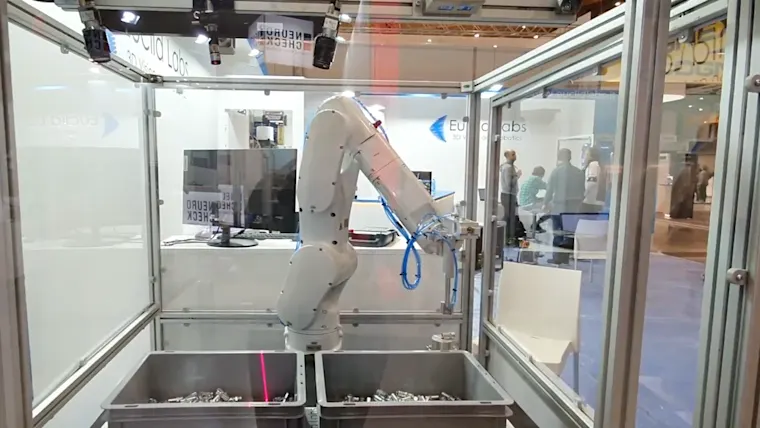
Practical examples show how machine vision systems are used in robotics. Typical applications such as bin picking, pick-and-place, or quality control illustrate the benefits of combining machine vision and robot technology. The following use cases illustrate how Basler cameras and software solutions enable efficient, flexible, and reliable automation solutions.