Basler Introduces Simple Lens and Lighting Control via the Camera
- Date
- November 03, 2026
Basler's modular vision system allows for lens and/or lighting control directly through the camera using a single SDK. Integration and interoperability are simplified with minimal hardware and software requirements.
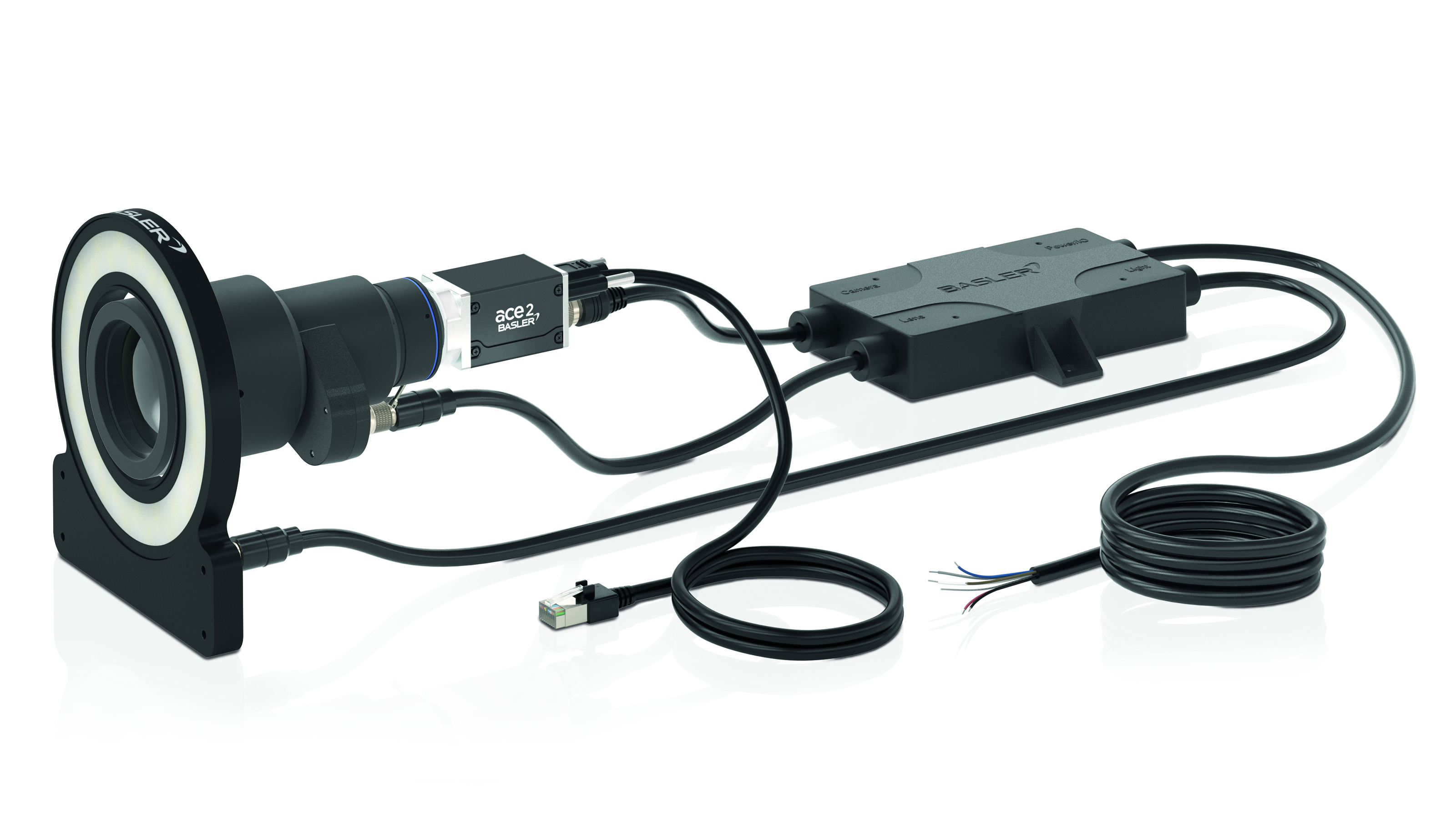
Basler AG, an international manufacturer of high-quality machine vision hardware and software, is introducing a vision system in which the camera, lens, and/or lighting are connected through a single Basler Sync Cable. The components are controlled with one camera I/O line and one SDK. The lens and lighting do not require external controllers, additional cables, or separate SDKs. The result is a vision system that is easy to integrate, synchronize, and operate. Using a modular approach, users can configure the right vision system for their specific application.
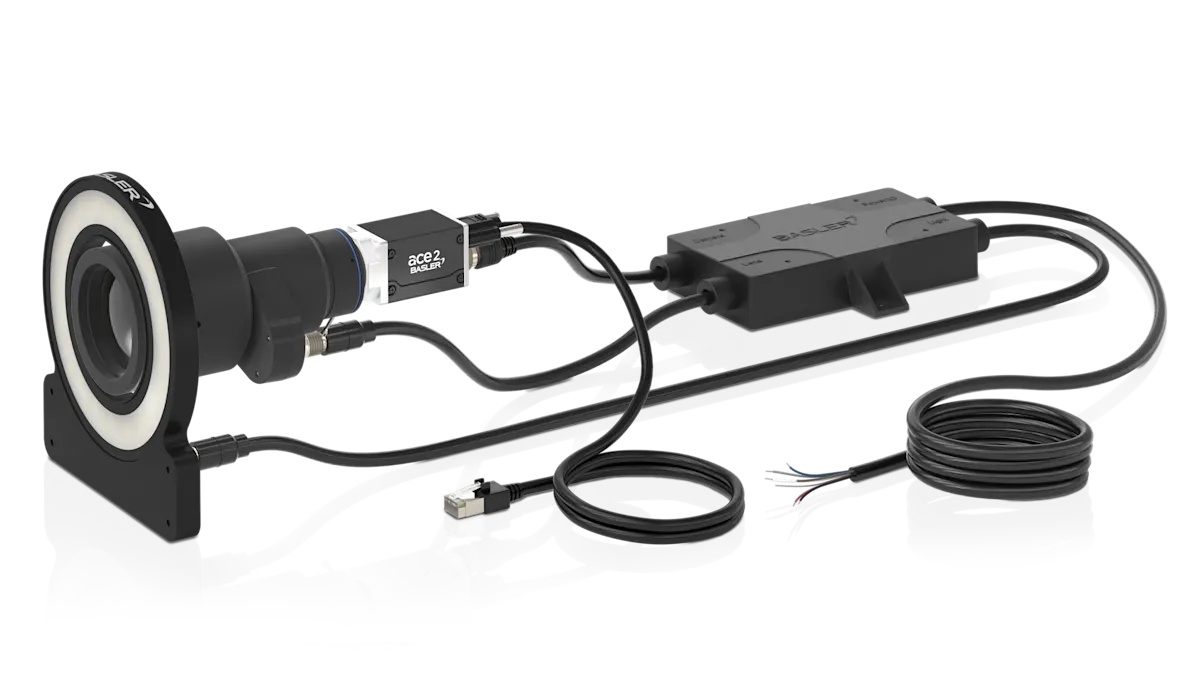
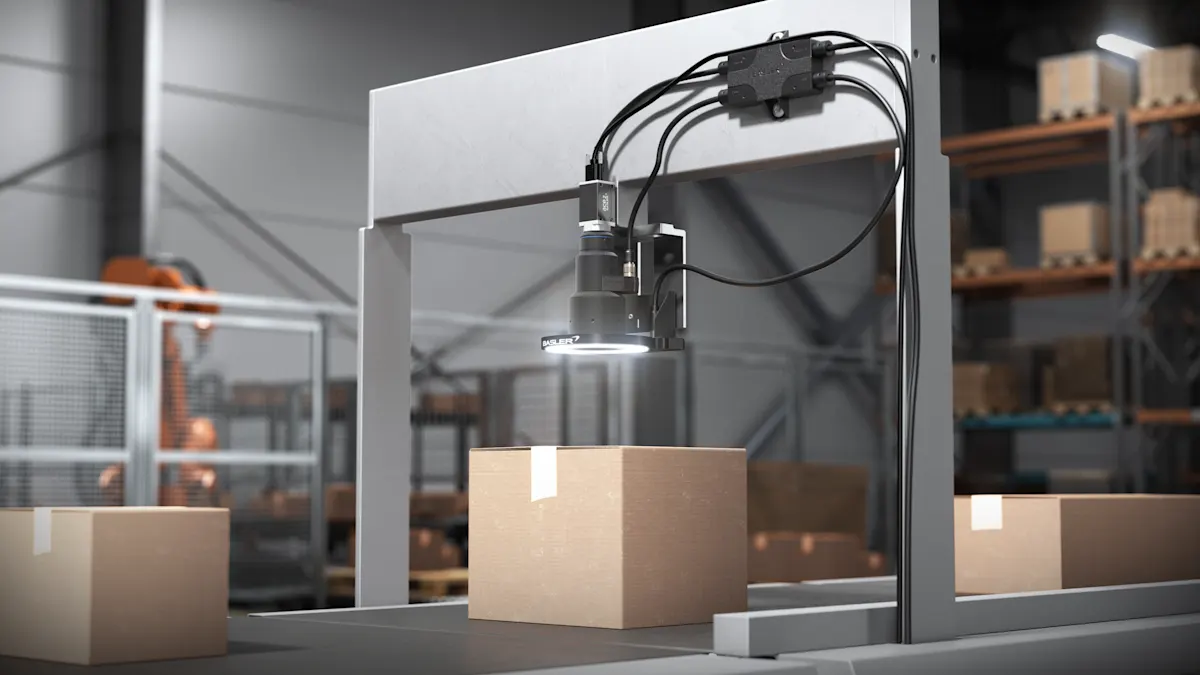
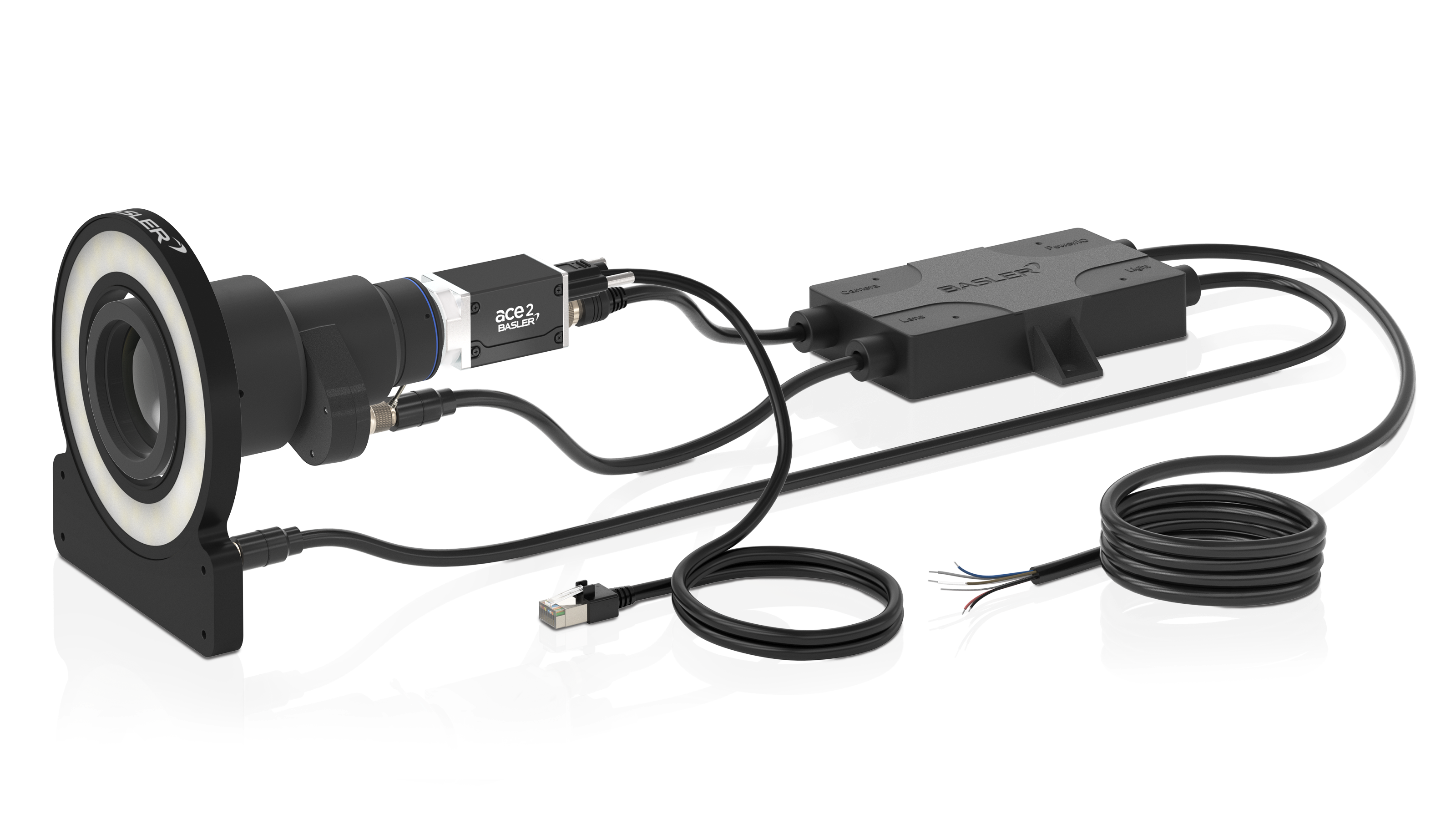
Vision system modular kit
Users select one of the new Basler Sync Cables based on whether they want to control the lens, the lighting, or both components. In addition, they select an ace 2 or boost R area scan camera, a motorized lens from Computar or a liquid lens from Optotune, a model from any of the Basler LED lighting options, and a data cable compatible with the chosen camera interface. Control is handled via a GenICam-compliant SDK, such as the pylon software.
Less hardware and software, faster integration and synchronization
In Basler’s new approach, the camera handles not only image acquisition but also lens and lighting controls. Instead of separate hardware and software systems for each component, this approach uses a unified control concept. The Basler Sync Cable, an intelligent power/I/O cable, connects the camera, lens, and lighting, enabling them to communicate with one another. Since all control commands can be issued via GenICam features, only one SDK is needed to centrally configure settings, such as autofocus or strobe, making the vision system easier to integrate and synchronize.
Through standard GenICam registers, both Basler cameras and components from various manufacturers can be controlled using the same API. This simplifies integration and enables a level of flexibility in hardware selection that was previously unattainable, all with identical application software.
In addition, control commands are transmitted bidirectionally via a camera I/O line. One GPIO line and one opto-input remain available for other electronic components, offering flexibility in the design of the vision system.
A solution for varying object distances and lighting requirements
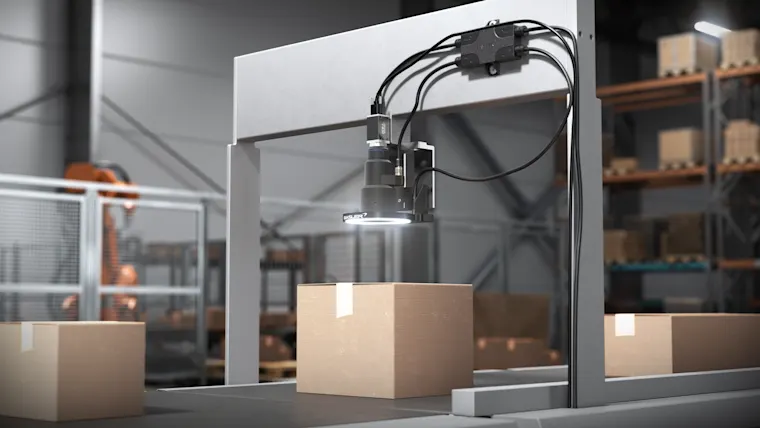
For example, controllable vision systems are ideal for package handling in logistics and for increasing the detection rate of packages of varying sizes. Autofocus compensates for distance changes, while precise flash illumination ensures accurate label detection. When inspecting electronic assemblies, controllable vision systems contribute to comprehensive defect detection. Autofocus captures components of varying heights, while synchronized flash illumination can freeze motion and make defects visible.
By viewing the camera, lens, and lighting as a single, integrated system, we significantly reduce the effort required for integration and synchronization. This allows vision engineers to focus on what really matters: solving their application.
Further information: www.baslerweb.com/lens-lighting-control
Downloads
Your contact for press inquiries
Find your press contact here.
Go to press contacts