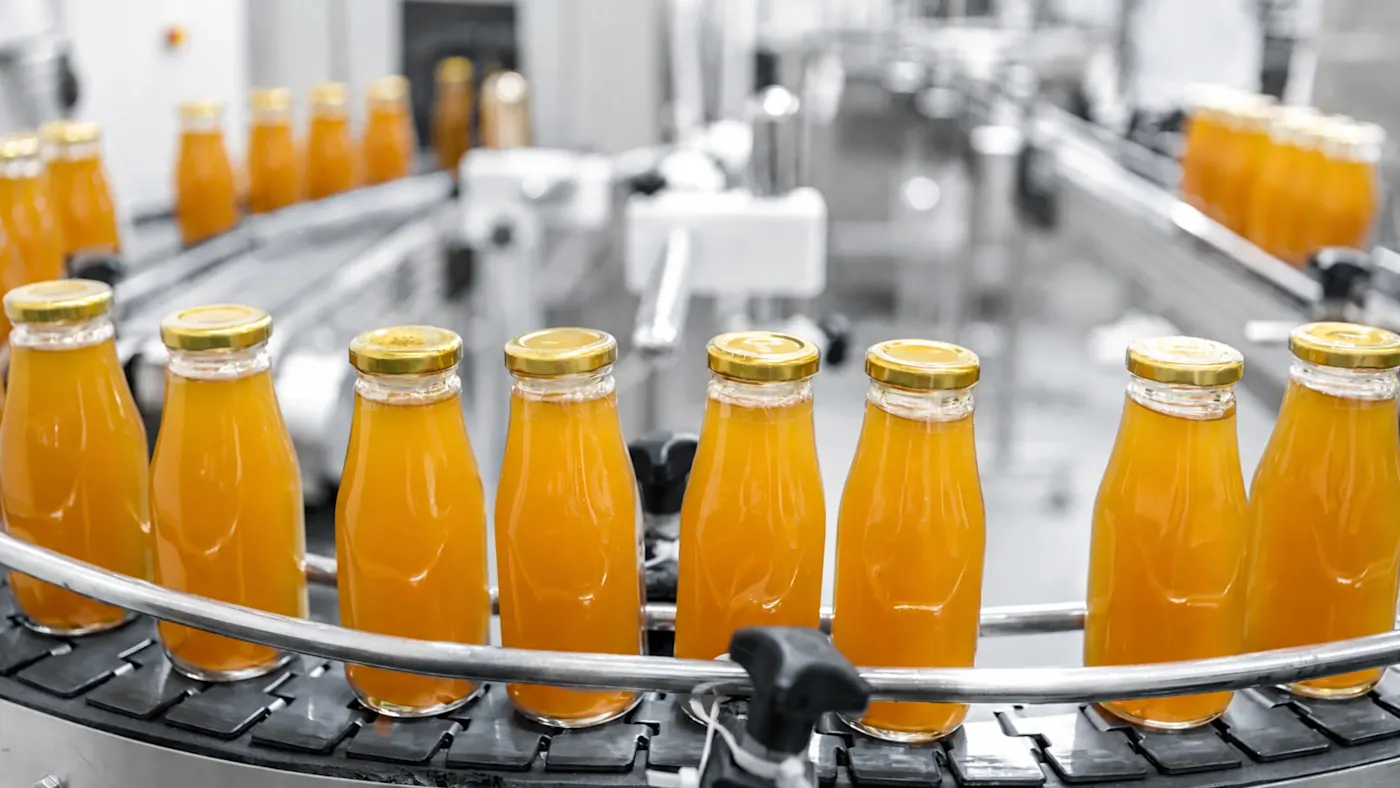
Machine Vision for Inline Colour Inspection in Food Production
Achieve consistent product quality with automated colour inspection
Ensure every product meets your colour standards with machine vision. By automatically comparing each product against a predefined reference, manufacturers can replace subjective manual inspection with consistent, repeatable inline colour verification, helping improve product quality while reducing waste and rework.
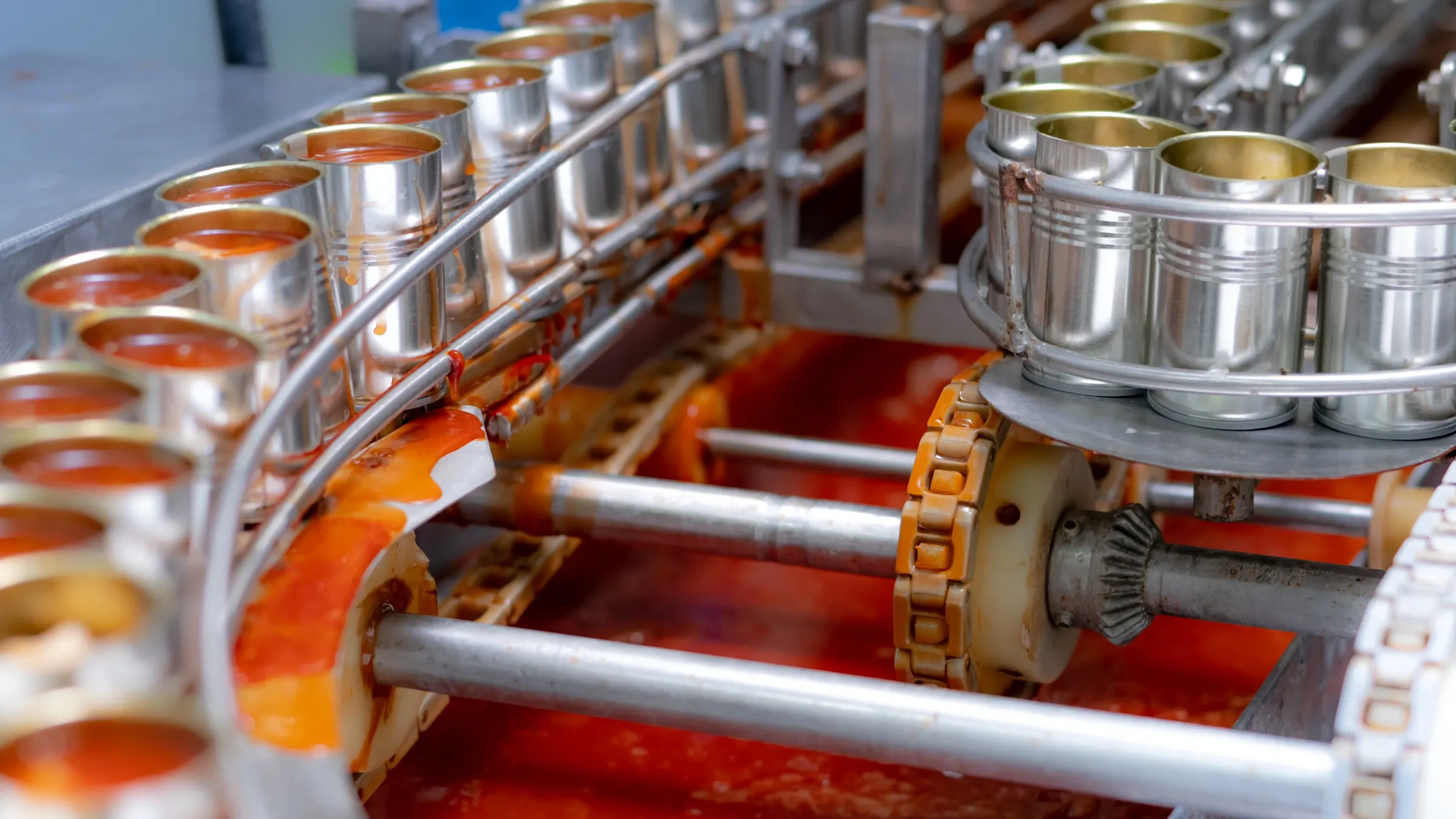
Why colour inspection matters in food production
For many food products, colour is one of the first quality attributes consumers notice. Consistent colour not only reflects the desired appearance of the product but also serves as an indicator of stable manufacturing processes and product quality. Variations in ingredients, cooking conditions or processing parameters can result in visible colour differences that affect product consistency and brand perception.
To maintain quality standards, manufacturers monitor product colour throughout production and verify that it remains within an acceptable range. Performing this inspection inline enables colour deviations to be identified early, allowing corrective actions to be taken before large quantities of products are affected.

Manual colour inspection cannot keep pace with modern food production
Many manufacturers still rely on operators to inspect randomly selected samples. This approach presents several challenges:
Colour assessment varies between operators and shifts.
Only a small portion of production is inspected, increasing the risk of undetected deviations.
Minor colour differences can be difficult to identify consistently by eye.
Colour issues may only be discovered after large quantities have been produced, leading to unnecessary product waste and rework.
As production speeds increase, manufacturers require a more objective and reliable method to maintain consistent product quality.
Automated colour inspection for reliable food quality
Machine vision enables continuous inline colour inspection by replacing subjective manual checks with objective, repeatable quality verification. By comparing every product against a predefined colour reference, manufacturers can maintain consistent product appearance while detecting colour deviations before they affect production quality.

Continuous colour verification throughout production
Machine vision systems inspect every product as it moves through the production line, comparing its colour against an approved reference. The colour difference is quantified using a Delta E (ΔE) value, providing an objective measure of how closely the product matches the reference. Based on a predefined ΔE tolerance, products are classified as OK or NG, enabling consistent colour quality control without relying on subjective visual judgement.

Colour cameras for reliable colour inspection
Reliable colour inspection starts with accurate colour image acquisition. Machine vision colour cameras capture the colour information needed to distinguish subtle variations and compare each product against a predefined reference. Colour calibration is also essential to establish a consistent colour representation and support repeatable comparison. Combined with suitable optics, controlled illumination, and image processing, the system enables objective colour evaluation for automated quality control.
Have a colour inspection application? Talk to our expertsConsistent product colour is an important indicator of quality, but manual inspection can become increasingly difficult as production volumes grow. Machine vision enables manufacturers to inspect every product using the same objective criteria, helping improve consistency while reducing the variability associated with human judgement.
Colour inspection across industries
Machine vision colour inspection is widely used wherever accurate and consistent colour verification is essential to product quality. Beyond food production, automated colour inspection supports a variety of manufacturing processes by replacing subjective visual checks with objective, repeatable quality assessment.