Optimized Image Uniformity Using Shading and Flat Field Correction (FFC)
High-quality imaging for semiconductor and microscopy workflows
Consistent image quality is essential for reliable inspection and analysis in automated imaging systems. Shading and FFC compensate for non‑uniform illumination and sensor variations, ensuring that imaging accurately represents the object of interest. By processing at the camera level, these techniques improve measurement accuracy, reduce downstream complexity, and support high‑throughput applications.
The challenge of high-resolution machine vision systems
For high-resolution imaging in semiconductor manufacturing, lab automation, or other high-precision AOI systems, high-throughput automation lines use multiple light sources and cameras to detect minute defects simultaneously and/or separately.
However, this setup can lead to inconsistent background uniformity in captured images, creating artifacts that are unrelated to the object of interest.
Image artifacts, like lens vignetting, camera sensor imperfections, surface texture irregularities, and uneven illumination, contribute to:
Inaccurate imaging and feature detection
Measurement errors
Compromised quality control
In laboratory automation workflows and semiconductor inspection, imaging systems often operate continuously across varying samples, positions, and lighting conditions. Flat‑field correction helps ensure that image acquisition remains consistent and comparable, even with minor illumination drift, optical variability, or aging components.
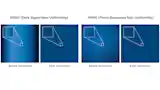
Different correction algorithms address different artifacts
To address image quality risks, various correction algorithms are used. Some algorithms specifically target sensor-related fixed pattern noise (FPN), which includes two primary components:
Dark signal non-uniformity (DSNU)
Photon response non-uniformity (PRNU)
Other algorithms address non-sensor-related issues, such as shading or vignetting. Flat Field Correction (FFC) and Shading Correction are commonly used in the machine vision market to achieve image uniformity and enhance the overall image quality.
By applying these correction techniques directly at the camera level, image quality processing occurs before data enters analysis pipelines, reducing the need for software post‑processing and increasing overall system robustness.
Flat Field Correction algorithms: Pixel-to-pixel and block-based
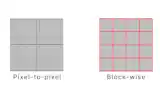
However, FFC is utilized differently across machine vision suppliers and applications, leading to varied requirements and results. This means a one-size-fits-all solution often won’t suffice.
Pixel-to-pixel correction is ideal for sensor-related artifacts but requires extensive storage capacity. Conversely, for optical or illumination-related issues, block-based correction, where small square segments of adjacent pixels are treated as a unit, is more efficient.
Low-resolution sensors benefit from simpler, cost-effective FFC solutions in common vision tasks. However, high-bandwidth, low-latency imaging applications face limitations with fixed algorithms due to storage constraints and inflexibility in camera settings.
Custom Flat Field Correction solutions for industrial and lab automation applications
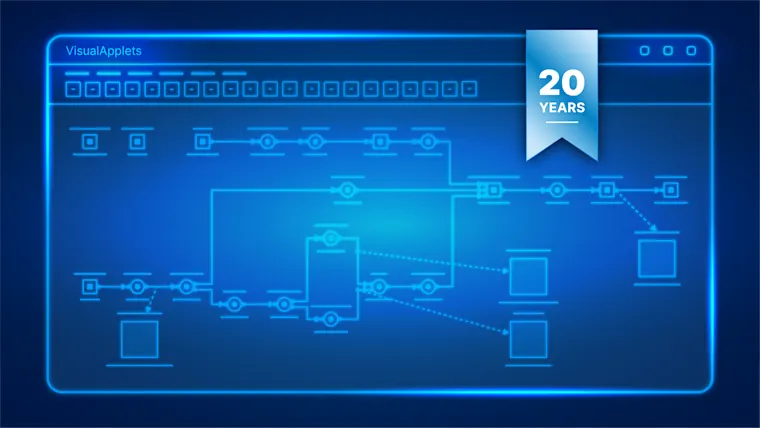
When the fixed correction algorithms in-camera or on frame grabbers are insufficient, Basler offers advanced, tailored solutions through FPGA programming with VisualApplets software for perfectly uniform images. Beyond our existing FFC algorithms, you have the flexibility to modify the details of the feature with our additional services and support, ensuring precise FFC interpretation for your specific applications.
Additional features include:
Multiple sets for different illumination sequences, exposure times, and gain levels
Adaptive modes with temperature calibration
Noise reduction
Automatic defect pixel detection/correction by local adaptive thresholding
Sequence-related options
Your benefits
Advanced, customizable FFC and shading correction tailored to specific applications, surpassing standard camera solutions.
Complete flexibility to customize and adjust features according to your requirements
Dedicated support from the experienced Basler team, specializing in these advanced approaches for over 15 years
No runtime license cost
Products for this solution
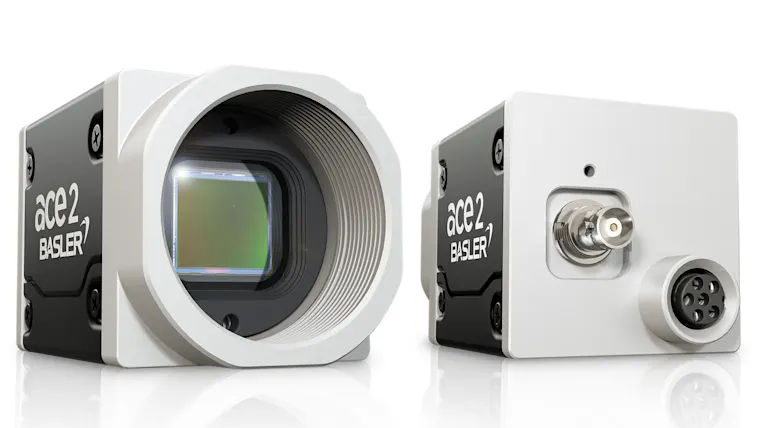
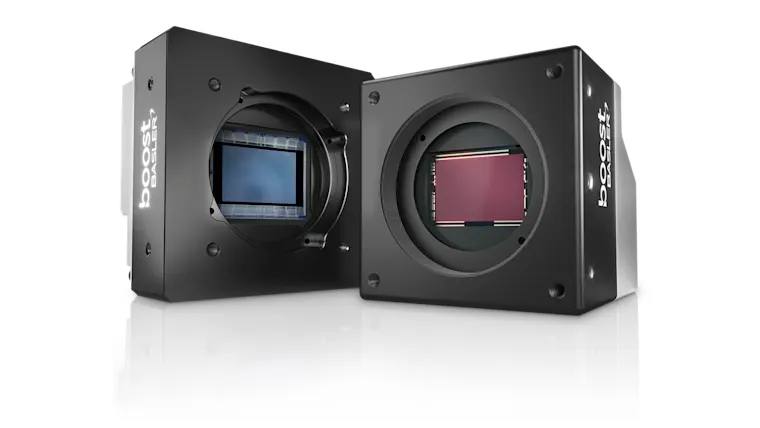
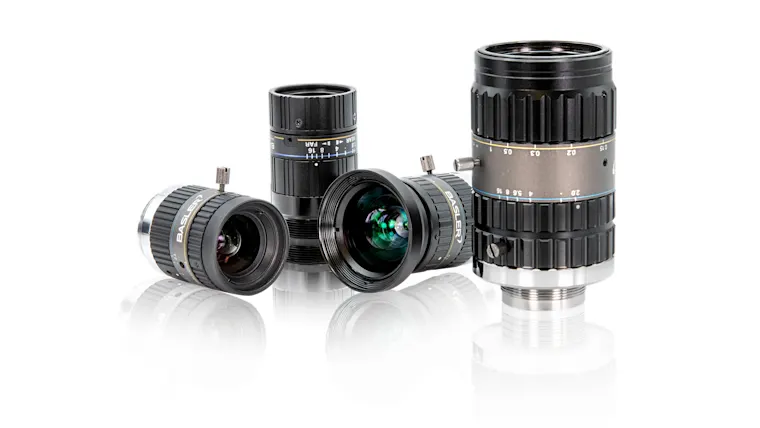
Looking to implement a comparable solution? These products will help you.