Lean computing architecture
Compared to CPU-based image processing, FPGAs enable lean, real-time capable vision systems with high robustness.Individual services
Whether a ready-to-deliver solution, proof of concept, or in-house development, we offer optimized service packages.Time saving
Simulation and adaptation of pre-processing eliminates the need for time-consuming FPGA deployments during the development phase.Real-time capability
High-precision triggering of camera, lighting and actuators with latency times of less than 3 ns
Successfully in use for over 20 years
The concept of simple FPGA programming convinced us right from the start. VisualApplets really comes into its own with high-performance vision systems.

With around 800 successfully implemented projects, we have the know-how to realize your application efficiently and future-proof.

Clean up image data
Get optimized image data quality
We use a variety of powerful operators to optimize your acquired images. Pixel errors, geometric distortions, exposure scattering, and color inaccuracies are reliably minimized. This is because consistent high-quality imaging ensures the best analysis results during further processing.
HDR
Highly detailed display in scenes with very dark and very bright image areas at the same time, e.g., with shiny surfaces.
Learn more about HDRShading correction
Compensation of lighting inhomogeneities for uniform pixel values across the entire image.
Learn more about shading correction
Histogram equalization
Improvement of contrast through a more even distribution of gray or color values
Useful operators for image cleanup at a glance
Dead pixel correction |
White balancing |
|---|
Shading correction (flat-field correction) |
Sharpening and blur correction |
Noise reduction through averaging or different filters, e.g., through smoothing filters |
High Dynamic Range (HDR) to offset overly bright or dark image areas |
Geometric rectification to normalize the shapes of structures, e.g., by affine transformations |
Contrast optimization, e.g., through look-up tables (LUT) already during image acquisition |
|---|
Histogram equalization and stretching |
Color space conversion |
Filtering |
Visual Applets offers over 250 pre-installed operators for common preprocessing tasks.
If the right operator is not yet part of our standard portfolio, we will develop it specifically for your application — tailored precisely to your data, workflow, and performance requirements.
Reduce data
Focusing on the essentials
Reduce your image data significantly, without losing relevant information. By using intelligent methods, such as blob analysis and efficient RAW-to-JPEG compression, we reduce the data volume directly at the source. In addition, we transfer pre-processing functions to the camera to further increase efficiency during image processing.
The result:
Lower bandwidth and memory requirements, lower hardware and cloud costs, and faster further processing — all while retaining the full informative value of your image data.
Identifying relevant image areas with blob analysis
The FPGA programming environment VisualApplets enables efficient implementation of numerous image processing tasks — including blob analysis. In this process, contiguous pixel areas are separated from the background as independent objects (bounding box) and characterized through features such as area size, contour length, and bounding box coordinates (classification).
When blob analysis is performed during preprocessing, segmentation takes place before the image data is stored for the first time. As a result, only the relevant regions of interest (ROI) are processed further, which significantly reduces the amount of data to be transmitted and stored.

RAW-to-JPEG compression: Adjustable image quality for optimized memory efficiency
As sensor resolutions, frame rates, and the use of color imaging continue to increase, data rates between camera and frame grabber can reach up to 100 GigaBit/s with CoaXPress-over-Fiber. In many applications, images need to be archived for traceability and quality assurance, which leads to rapidly increasing memory requirements.
Using the VisualApplets development environment, image processing and compression algorithms can be implemented on the frame grabber so that RAW image data can be compressed directly via JPEG. This significantly reduces the data volume while maintaining the same application-specific image quality, which lowers the memory requirements and therefore the system costs.
Regardless of this, processing runs at full interface speed thanks to FPGA-based implementation on the frame grabber. This means that the sensor does not need to be throttled.
Looking for the fastest way to an FPGA solution and greater efficiency? You can only get it from us.
Both the FPGA in the industrial camera and in the frame grabber enable efficient image pre-processing and reduce the load on the CPU and GPU. However, the FPGA on the frame grabber offers significantly more resources and, ultimately, greater flexibility for complex and versatile applications. Meanwhile, cameras are designed for more compact, highly integrated solutions. With VisualApplets, implementation is quick and efficient.

Programmable FPGAs on frame grabbers
Image pre-processing on the frame grabber with CoaXPress-over-Fiber, CoaXPress-12, or Camera Link is a central intermediate step in the image processing process. OurProgrammable frame grabber enable application-specific image pre-processing directly at the data source.
Through targeted image cleansing and intelligent reduction of the data volume, only the information that is actually relevant is forwarded. This ensures stable and loss-free data processing, reduces the required bandwidth, and significantly relieves the CPU resources of the host system. At the same time, latencies can be minimized and real-time requirements reliably fulfilled. The result is a significantly more efficient, scalable, and robust overall architecture for demanding machine vision applications.

FPGAs on cameras
Our cameras feature basic preprocessing functions, such as debayering, color anti-aliasing, image sharpening, and noise reduction. When interfaces or computer systems are limited in their data rate or computing power, data processing already performed in the camera reduces transmission and processing times, thereby increasing application throughput.
Additionally, customer-specific preprocessing steps can be implemented on ace 2 Pro cameras with GigE and USB interfaces. In-camera data reduction and optimization further reduce transmission and computing requirements, the host system. In addition to basic functions, application-specific algorithms, such as filtering or color space transformations, can also be implemented.
Applications of FPGA solutions
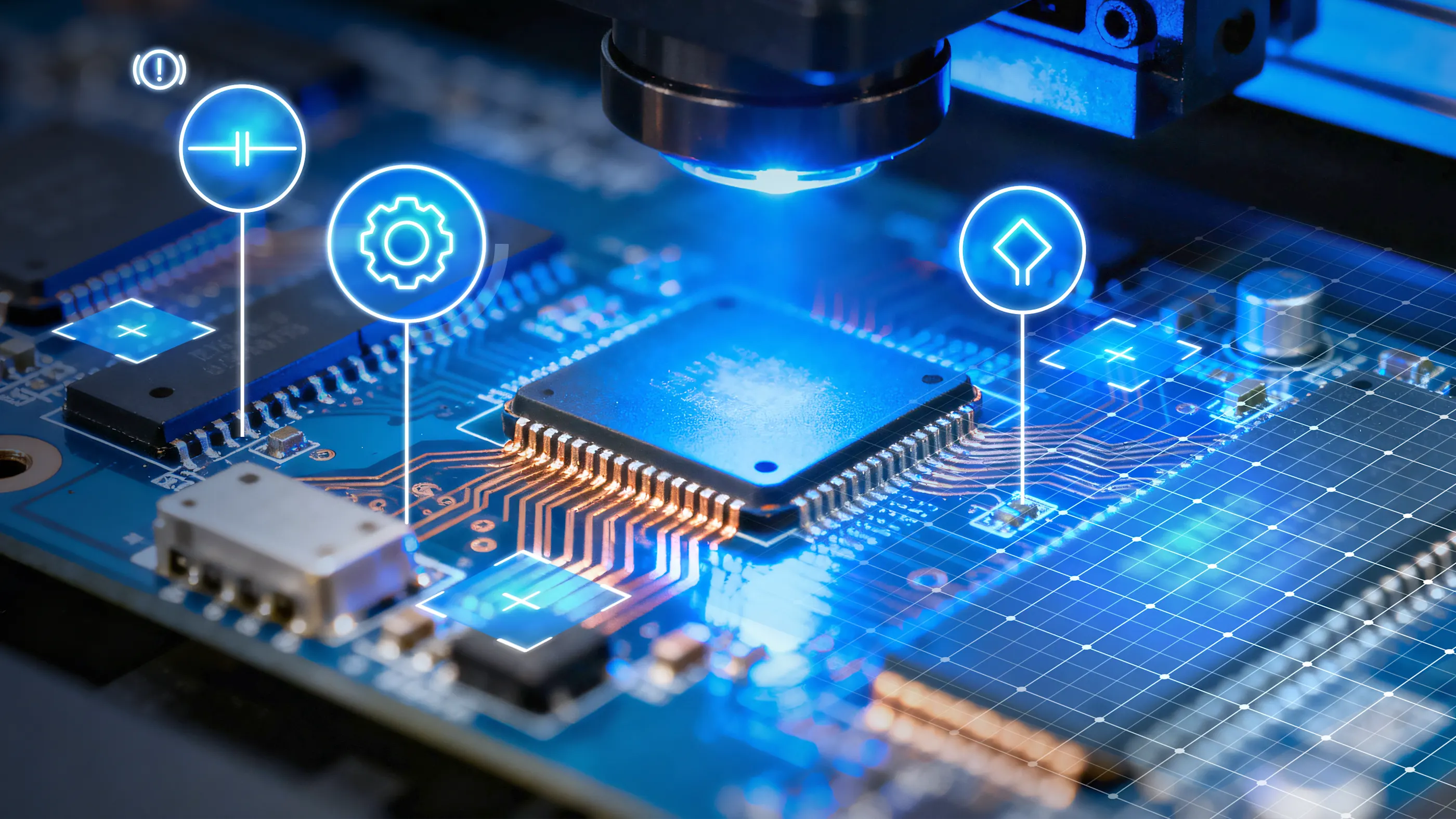
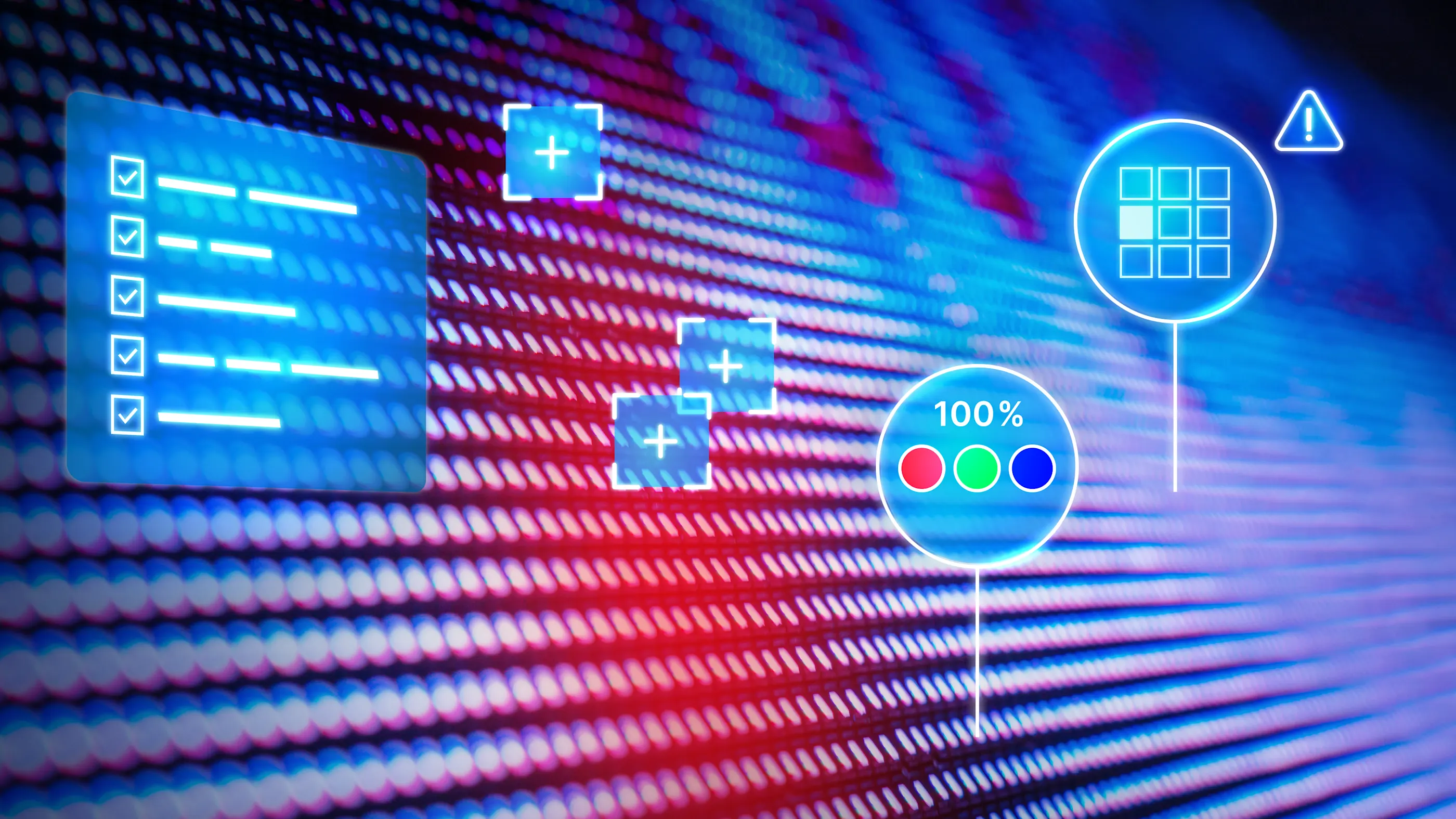
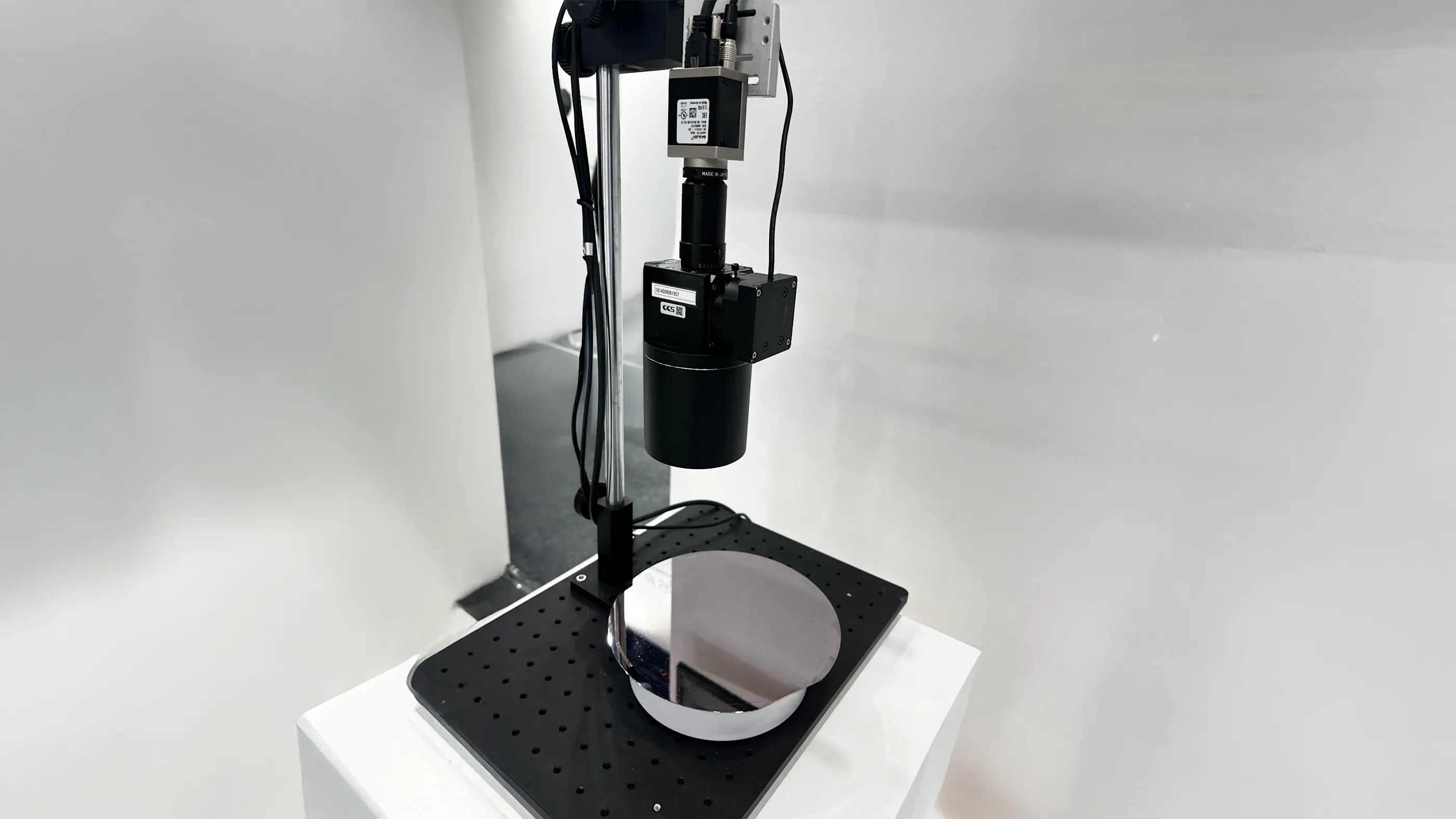
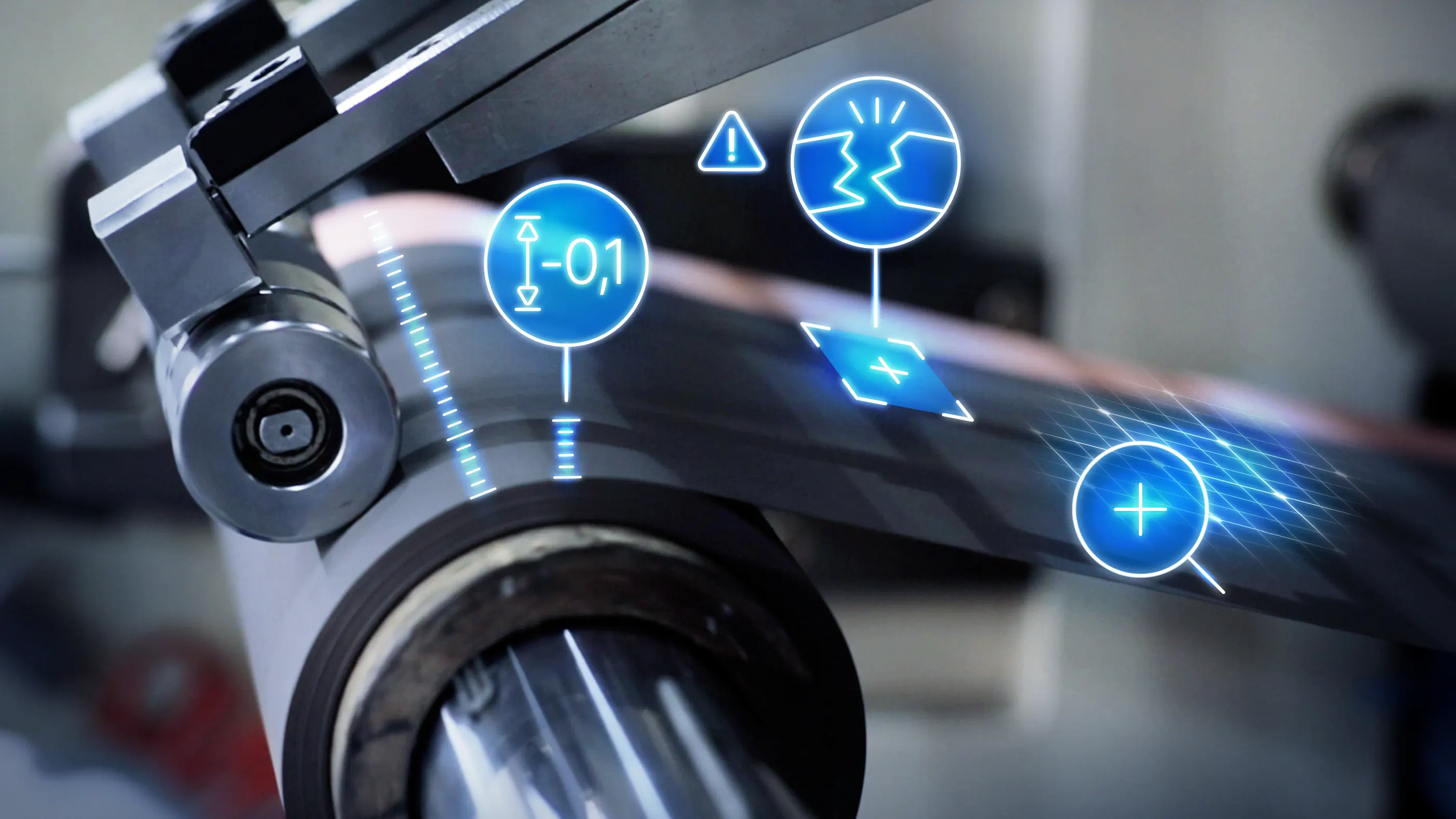
FPGA-accelerated computing is always useful when large amounts of image data and high frame rates are involved.
High-end image processing as a full service or support solution
Whether full-service implementation, co-engineering with proof of concept, or support solution: With our tools for high-end image processing and product-specific expertise, you reduce development risks and achieve a market-ready FPGA solution faster.

1. Implementation:
Full service package
From the requirements analysis to the finished solution —including FPGA designs and coordinated hardware.
Example services:
Hardware implementation including programming of operating functions
Development of new functions specifically for your requirements
VisualApplets interface extensions
Driver development and SDK customizations

2. Proof of concept:
From idea to prototype in 5 days
Would you like to ensure that our solution meets your requirements? As part of a proof of concept, we test the feasibility of your application together. We simulate real scenarios, demonstrate performance and determine the optimum hardware setup for your project.
Receive an informed basis for your decision within 5 working days — even before you invest.
Request proof of concept
3. Technical support
Are you experienced in image processing and want to work with VisualApplets? As you develop your design, we are available to answer your questions and provide support.
We also offer demos to help you get started. Based on your requirements, we walk through the tool and cover the fundamentals so you can build your own image processing applications or adapt existing designs.
Example services:
Consulting and support for project specific VisualApplets tasks
Optional VisualApplets workshops for beginners and advanced users, including functionality, hands on design development, and application simulation
More information about VisualApplets Software
Learn more about our products and applications. Our comprehensive materials provide you with all the important details.


