Ophthalmology Imaging Systems
Camera solutions for ophthalmic diagnostics and therapeutic methods
Basler provides high-performance imaging solutions for ophthalmology applications, including fundus imaging, optical coherence tomography (OCT) systems, slit lamps, and surgical devices. Our cameras deliver precise color reproduction, high resolution, and reliable performance for accurate diagnosis and treatment of eye diseases.

Why Basler Cameras for Ophthalmology Imaging?
High image quality and color reproduction
Basler cameras produce high-resolution images with accurate color reproduction, enabling detailed imaging of eye structures.Customizable hardware and software
Our project teams work with you to design tailored solutions that meet the requirements of ophthalmic imaging.Industry-leading reliability
Basler cameras have one of the lowest failure rates among medical devices—built for reliable, repeatable operation in diagnostic and surgical systems.Long-term product availability
Future-proof your system design with products that stay available and supported over time.
Key ophthalmology applications for machine vision
Vision systems have become common in ophthalmic diagnosis and treatment systems for eye diseases. These enable high-resolution imaging of eye structures for a range of applications, including:
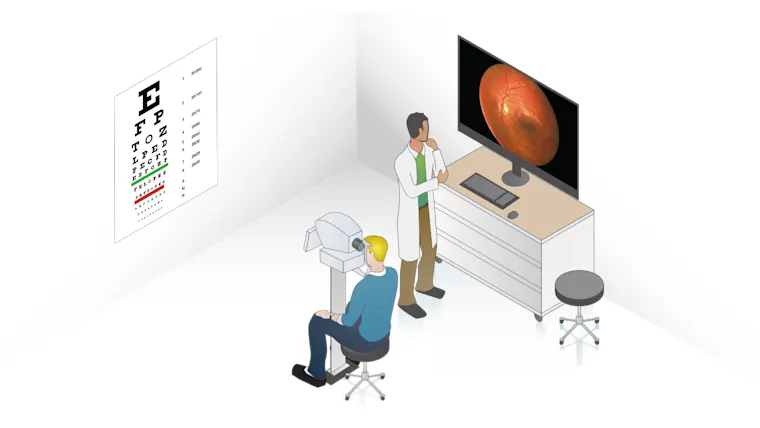
Fundus imaging: High-resolution retinal imaging for disease detection
OCT system: Detailed images of the retina and other structures at the back of the eye
Slit lamp imaging: Examination of the anterior and posterior eye segments
Laser Eye Surgery: Precision-guided treatment with real-time imaging

Ophthalmic diagnostics
Many methods for inspecting and diagnosing the eye are based on digital imaging. Basler cameras and imaging components offer powerful technology for all these applications.
For example, Basler cameras often serve as fundus or OCT cameras, reliably delivering images with optimal color reproduction. This simplifies documentation and disease progress monitoring, optimizing the exchange of information between physicians.
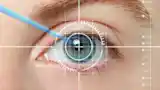
Therapeutic methods & surgical devices
In recent years, the prospect of living without glasses and contact lenses has increased demand for laser eye treatments. As a result, nearsightedness, farsightedness, glaucoma, and cataracts can now be treated quickly and sustainably.
In these treatment systems, our cameras provide highly reliable support for ophthalmic diagnostics, laser treatment, surgical devices, and real-time monitoring.
Color calibration in Medical & Life Sciences
Digitally captured images contribute significantly to medical imaging systems and surgical devices, especially in ophthalmology, microscopy, and dermatology. In this context, color is often a decisive criterion for assessing whether a structure is healthy or pathological. Color fastness is therefore of utmost importance.

Why is color calibration important in medical technology?
In medical & life sciences, including ophthalmology, microscopy, or dermatology, the color fastness of digitally recorded images plays a critical role.
Read article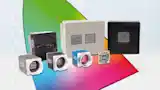
Do Basler cameras use color calibration?
Standardized color representation is important; it ensures that different imaging devices deliver the same result with the same color specifications. Learn color calibration step-by-step.
Download White PaperWhy should I color calibrate my camera?
For precise medical diagnoses, exact color reproduction in images and their color reproducibility are often indispensable. Color-calibrated cameras help with this.
How does the Basler Color Calibrator work?
Color reproduction is extremely important for images in Medical & Life Sciences. However, finding the perfect color settings can be complicated. Our Color Calibration Tool offers a simple solution.
Ophthalmology application use cases
There are several options that can be used to save time and money for a wide variety of medical and life science applications. Basler’s customized camera solutions can help.
Camera systems best suited to ophthalmology
For efficient and reliable machine vision applications in this industry, the following Basler products are often the best choice:
ace 2
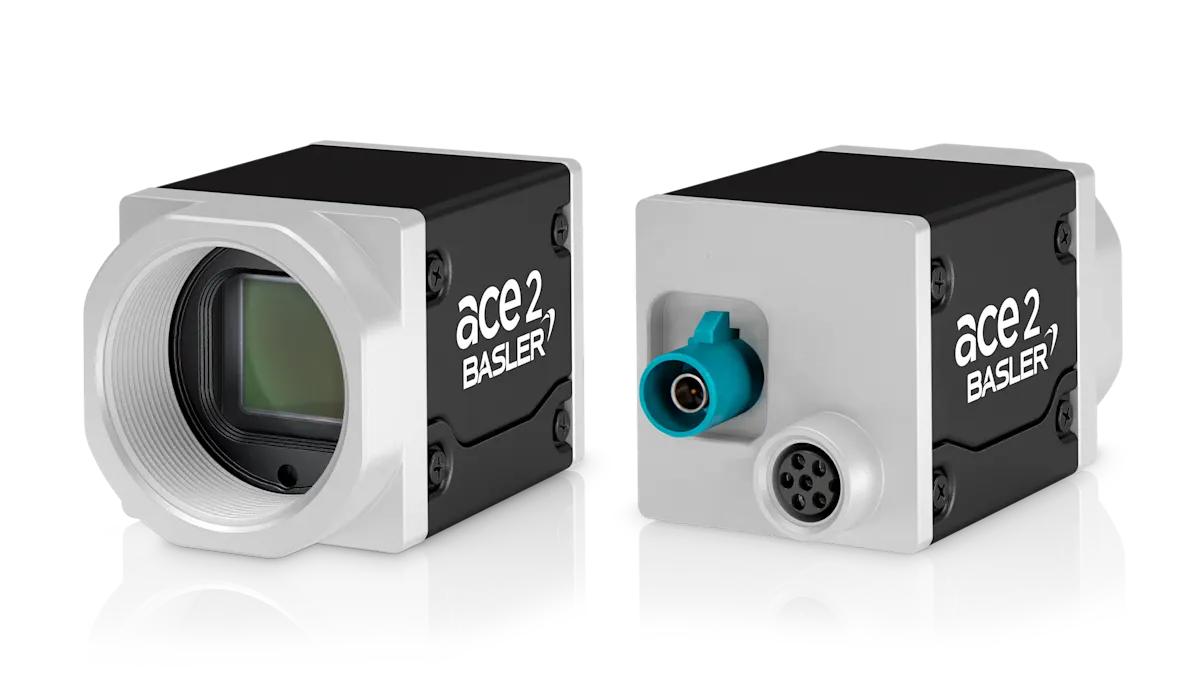
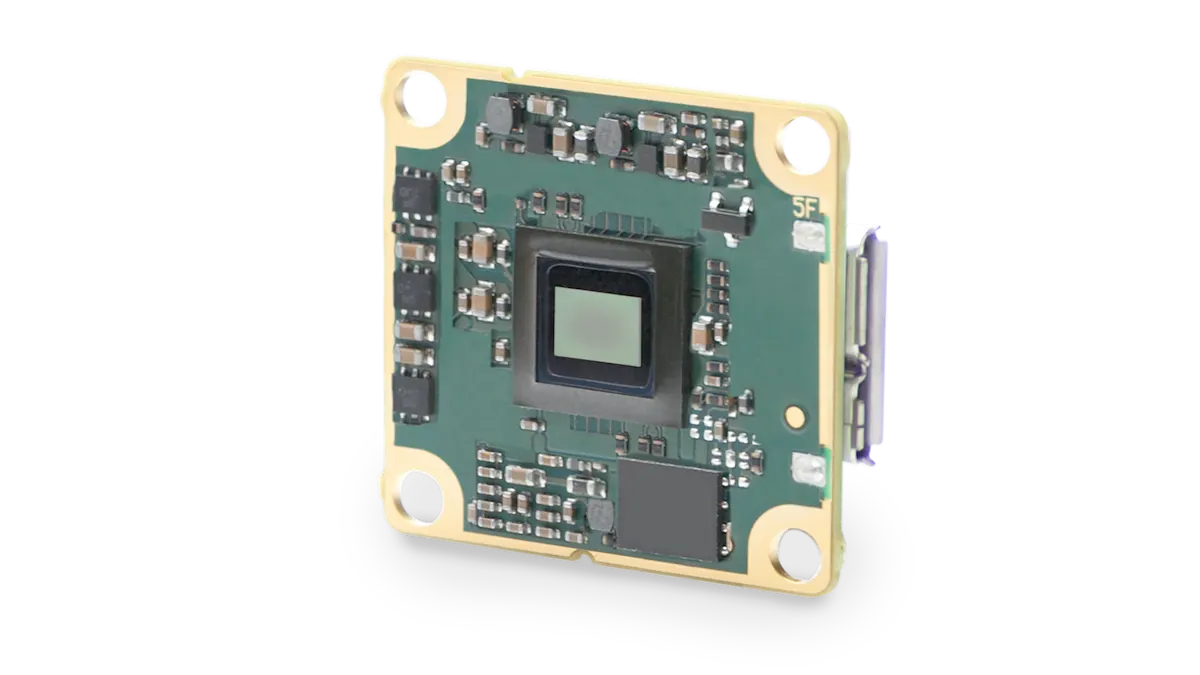
dart
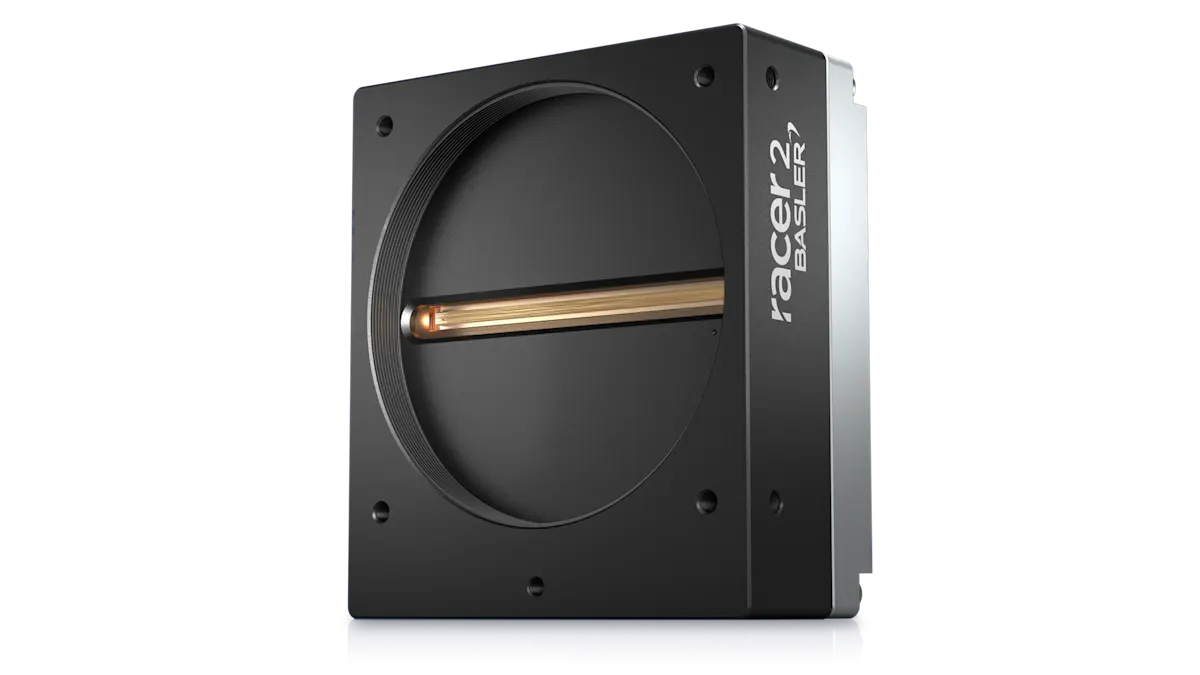
racer 2
Area scan camera
Area scan camera
Line scan camera
Pixel resolution
Pixel resolution
Up to 25 MP
Pixel resolution
VGA to 13 MP
Pixel resolution
2k, 4k, 8k, 16k
Frame rate/line rate
Frame rate/line rate
Up to 190 fps
Frame rate/line rate
14 to 523 fps
Frame rate/line rate
Up to 240 kHZ
Interfaces
Interfaces
GigE, 5GigE, CoaXPress, USB 3.0, or GMSL2
Interfaces
GigE, USB 3.0, and BCON for MIPI
Interfaces
GigE, 5GigE, or CXP-12