Scalable Vision Systems for Ophthalmology
How Basler delivers customized medical imaging technology
Basler provides tailored vision solutions for ophthalmology OEMs, enabling scalable imaging across devices such as OCT systems, refracto-keratometers, and tonometers. These systems combine cameras, embedded controllers, and software into a unified platform that reduces development costs and accelerates product design for OEMs.

What is a vision system for ophthalmology?
Basler’s imaging components can be tailored for ophthalmology vision systems to capture, process, and analyze high-quality images of the eye for diagnostics, treatment, and real-time monitoring.
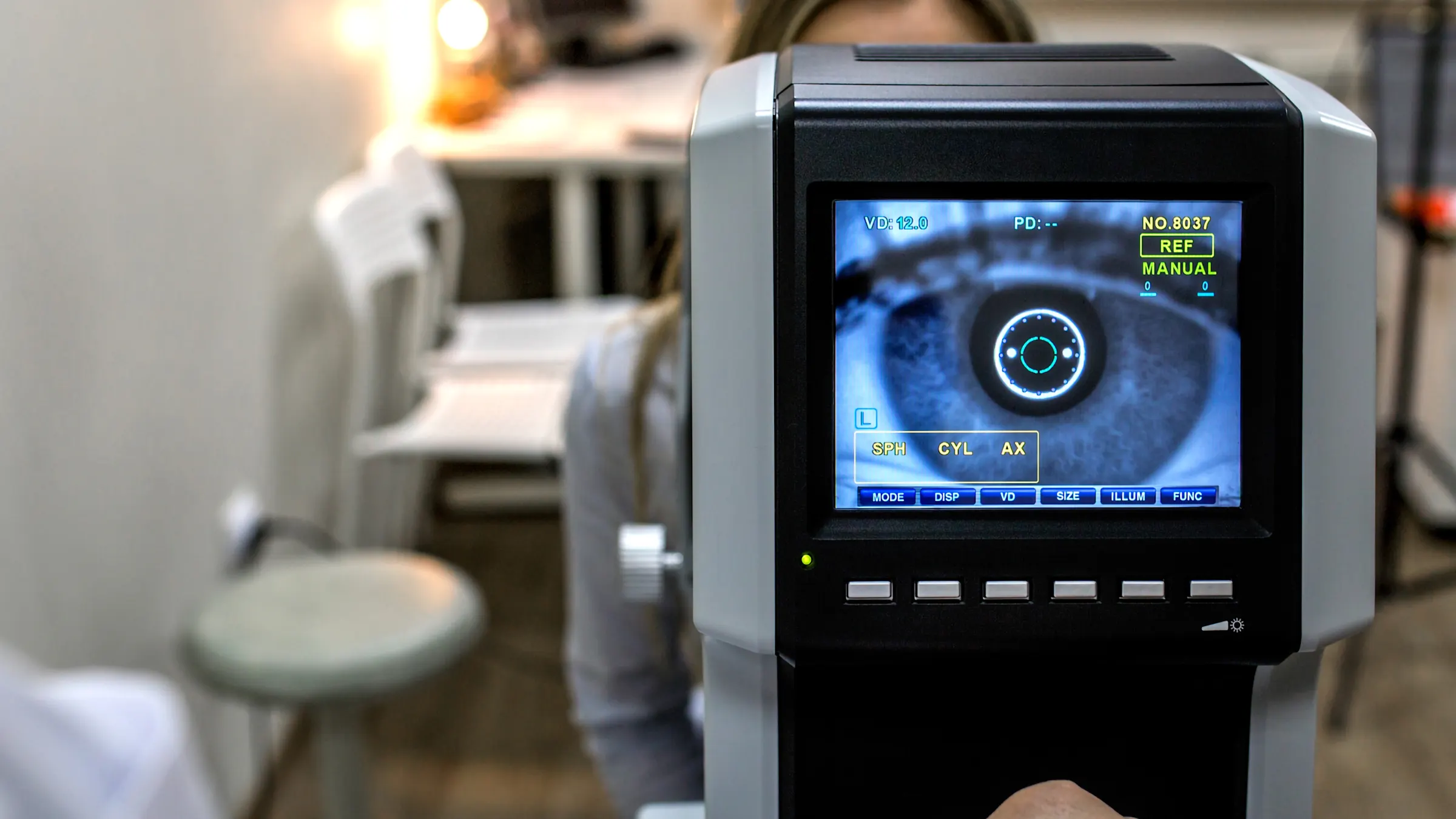
The human eye is a complex organ. This is why eye examinations require an array of devices. Modern ophthalmic devices rely on integrated vision systems to deliver high-resolution images of eye structures. For example, refracto-keratometers are used for dioptric determinations, OCT (Optical Coherence Tomography) devices for retinal examinations, and tonometers to measure intraocular pressure.
For device manufacturers, the shared reliance on imaging creates an opportunity to standardize system design throughout workflows. Basler has both the hardware and software portfolio as well as the expertise to configure a customized and scalable vision system.
Requirements for customized vision systems for ophthalmology
Developing, producing, and maintaining different devices for eye examinations is costly. But no matter how different the devices may be, many of them use imaging. Device manufacturers that prioritize standardized, optimized ophthalmic systems require an experienced partner.
In the planning stage, many different aspects need to be considered, such as:
Defining the common denominators of vision systems in different devices
Developing hardware and software components that are universal (can be used in several devices) as well as individual (can be used in one device)
Ensuring the long-term availability of the hardware components
Basler’s customized vision solutions with embedded controller & camera module
Are you a manufacturer of multiple ophthalmic devices that have commonalities despite their different functions? Are there common factors in the computer vision system?
It can make sense to develop hardware and software components that are universal to fit into different devices, and, at the same time, can easily be equipped with an array of specific features.
Key components of our scalable ophthalmology vision system:
Custom Embedded controller: Shared platform across multiple devices, e.g., supplemented by one or more cameras, a laser, or software
Carried board and SoM (System on Module): Directly on one board
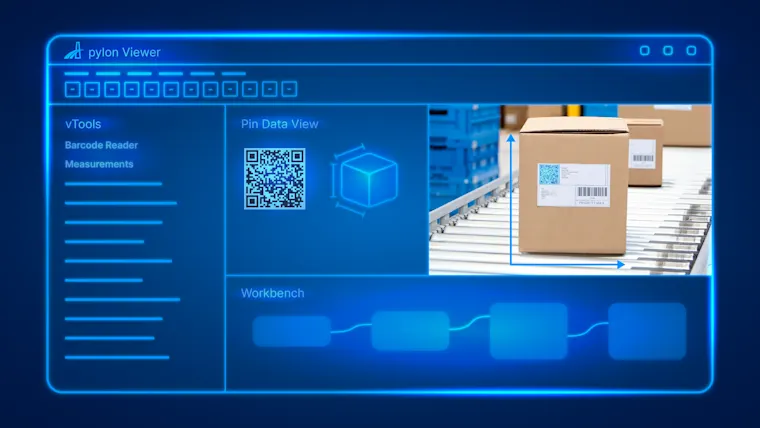
Software Stack: Unified processing and integration layer with pylon Camera Software Suite and vTools
Camera Module: Custom or standard sensors, tailored to imaging needs
Because of the customizable flexibility, a refracto-keratometer can be based on the same embedded controller as an OCT device and a tonometer.
How Basler develops custom cameras for your ophthalmic application
Although we have several hundred cameras available in our portfolio for image capture, ophthalmology applications often need a customized camera for individual requirements.
This was also true here. We integrated a sensor that had not been previously available in the portfolio into a dart camera module with a MIPI interface. The result was an inexpensive camera module that fit perfectly with the embedded controller.
In addition to the hardware, the software makes it possible to individualize a computer vision system. We will provide you with:
The pylon Camera Software Suite for the commissioning and control of the camera
pylon vTools for the image processing
A Board Support Package for the integration into your system
The software can be used to assign a particular function to each device’s computer vision system throughout your workflow.
Developing a customer-specific vision system involves an initial expenditure. However, a customized, cost-optimized system with long-term availability offers considerable synergy effects.
Partner with Basler for tailored solutionsBenefits of a unified vision system in ophthalmology
Reduced development costs through shared architecture and universal embedded controller
Faster time-to-market for new diagnostic devices
Consistent imaging performance across systems
Simplified maintenance and updates
Future scalability for new devices and features
Products for ophthalmology
Looking to implement a vision solution in your ophthalmic application? Explore our tailored solutions.