Ultra Compact Vision Sensor
Compact design, energy-efficient, and with built-in AI
The Ultra Compact Vision Sensor is an innovative project that processes image data directly on the device—without the need for an external computer—quickly and accurately. Thanks to flexible interfaces and GigE Vision integration, it can be easily integrated into existing systems. The streamlined, license-compliant software concept ensures straightforward and efficient use in any environment.
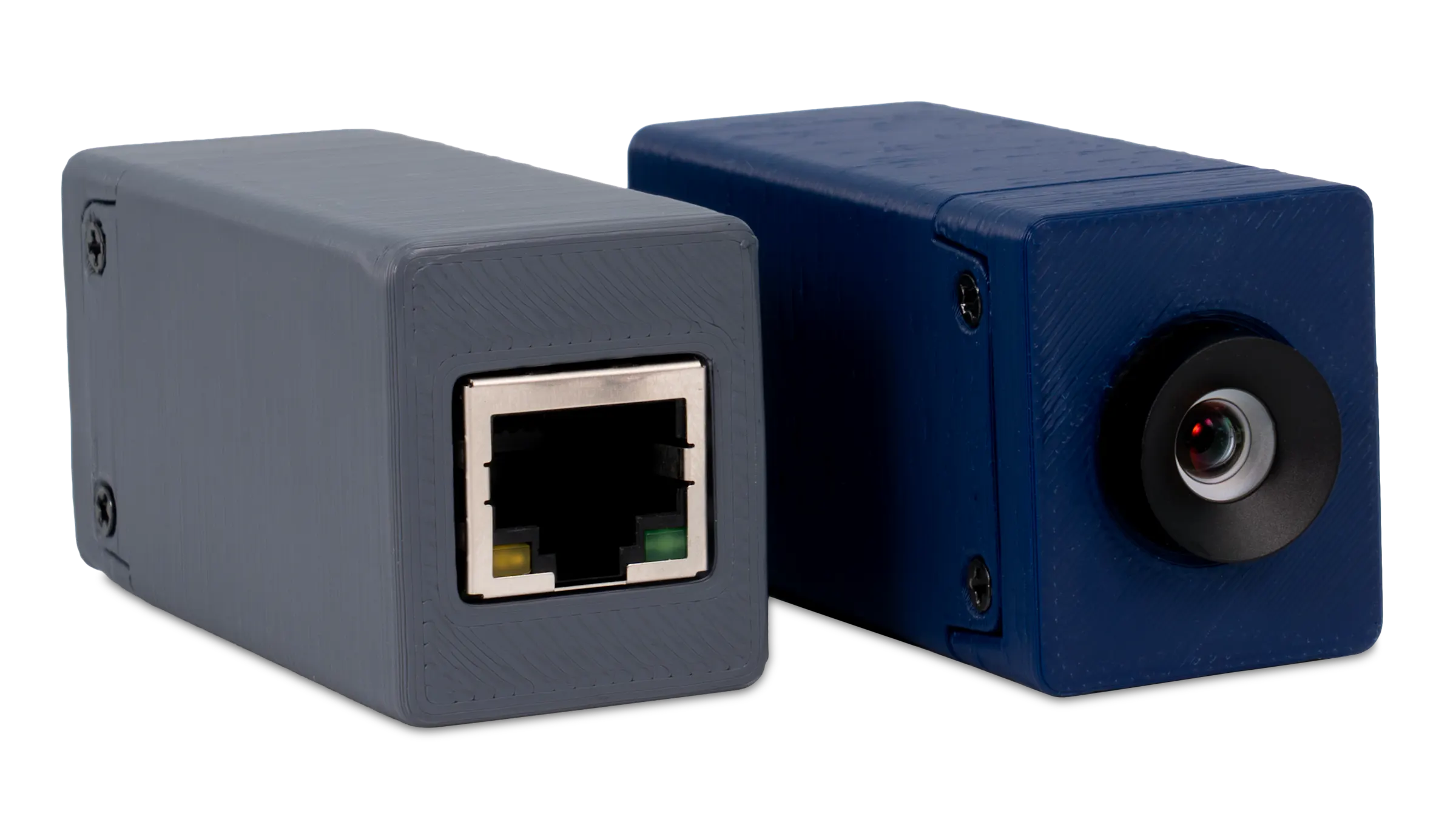
Compact design and attractive price
Compact dimensions (25 x 30 mm), plastic housing, IP67 option, and more affordable than traditional industrial camerasEnergy Efficiency
Power consumption: Max 1 watt; ideal for mobile or battery-powered applicationsSimple integration
GigE Vision camera, controllable via Basler pylon softwareAI functionality
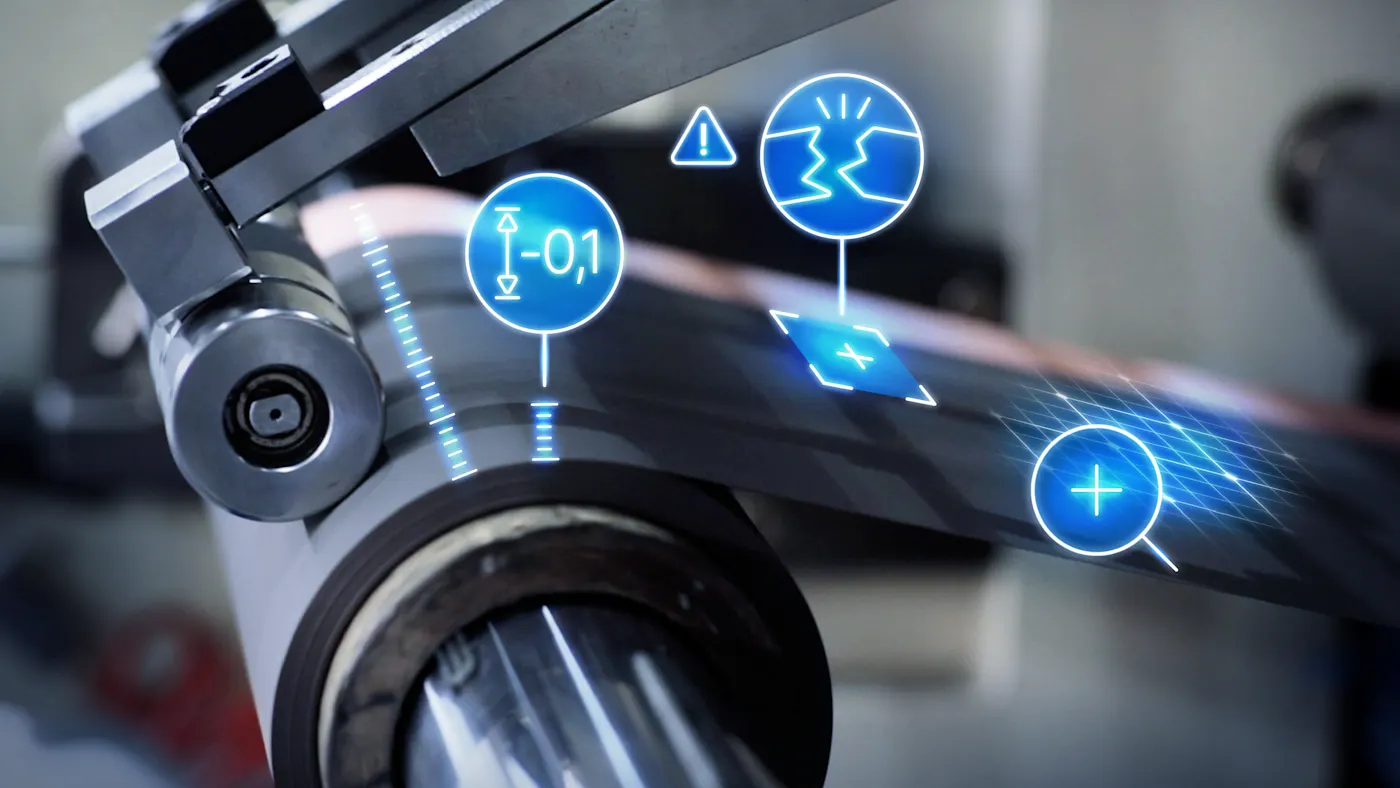
Neural processing capabilities for edge detection, crack detection, object detection and classification, and many other applications
Application scenarios from quality assurance to robotics
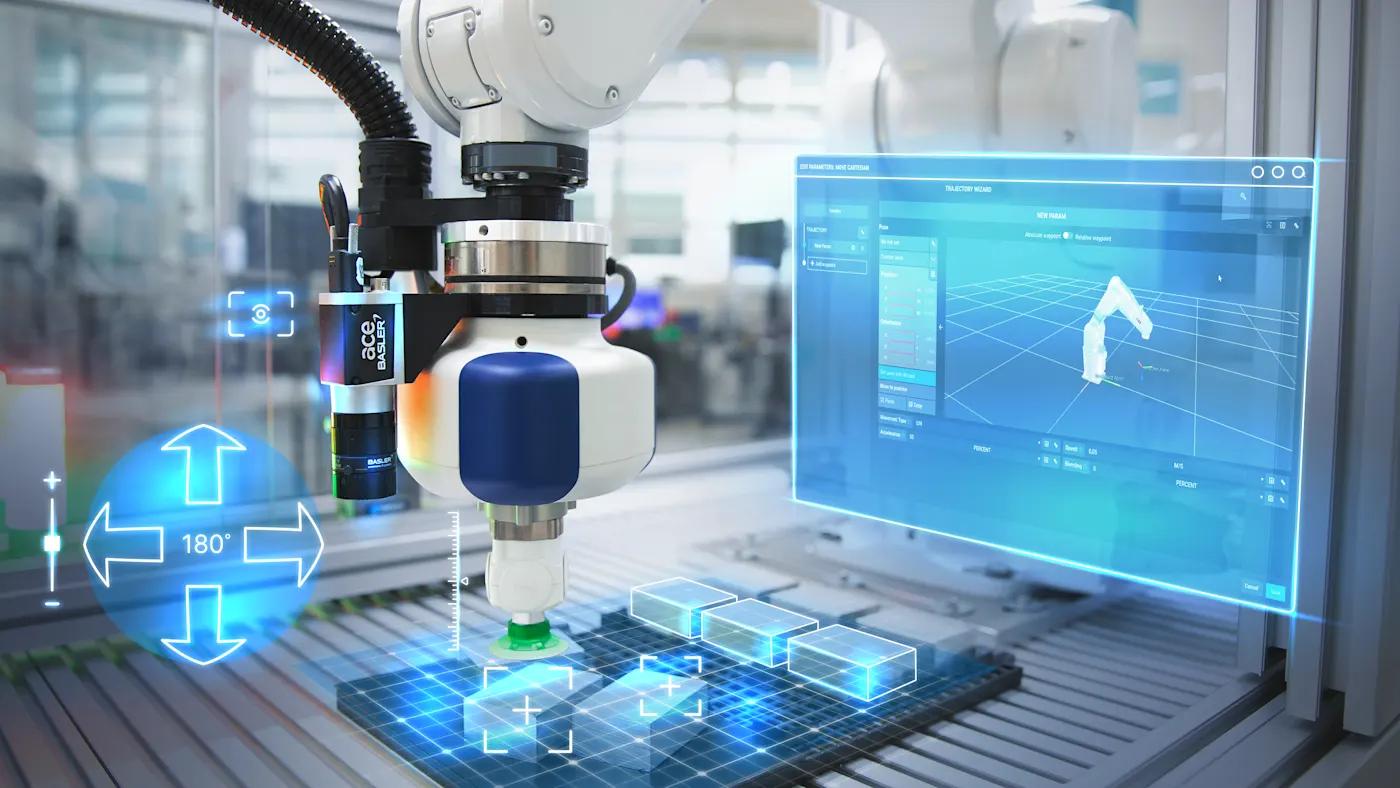
The Ultra Compact Vision Sensor impresses with its versatility across a wide range of applications. It combines a compact design with AI-powered image processing.


AI-powered, direct image processing
The Ultra Compact Vision Sensor processes the image data directly on the device—without an external IPC, with high speed and accuracy. AI-powered, direct image processing simplifies the system architecture and enables reliable decisions to be made directly at the machine or conveyor line.

Advantages of the Ultra Compact Vision Sensor
Compact dimensions (25 x 30 mm) and attractive price
Minimal power consumption (max. 1 watt)
AI-powered image processing directly on the device
Fast sensor integration possible
GigE Vision interface for seamless system integration
Control and video streaming with Basler pylon software
Lean software stack based on FreeRTOS
Efficient bandwidth usage through JPEG compression
What is an innovation project?
We are currently looking for partner companies with whom we can jointly validate use cases and implement initial pilot projects. If you have a suitable use case, please contact us.
As a project in the innovation phase, we’re focusing on using our customers’ experiences to determine how well the Ultra Compact Vision Sensor performs in real-world applications and what types of use cases are generally possible.
To do this, we’d like to understand the specific needs and challenges of your application and optimize the product for you.
We’d love for you to be part of this development project!
What information would be helpful to us?
How is your application structured, and what is its purpose?
In what environment do you plan to use the vision system?
What use case are you pursuing—e.g., process monitoring or quality control?
Your contact information so we can get in touch with you.
