Faster, Leaner and Better Results:
How Simulation Changed the Engineering Process
for WeBuyCars
How Simulation Changed the Engineering Process
for WeBuyCars
- Customer
- We Buy Cars (Pty) Ltd
- Location
- South Africa
- Date
- October 2026
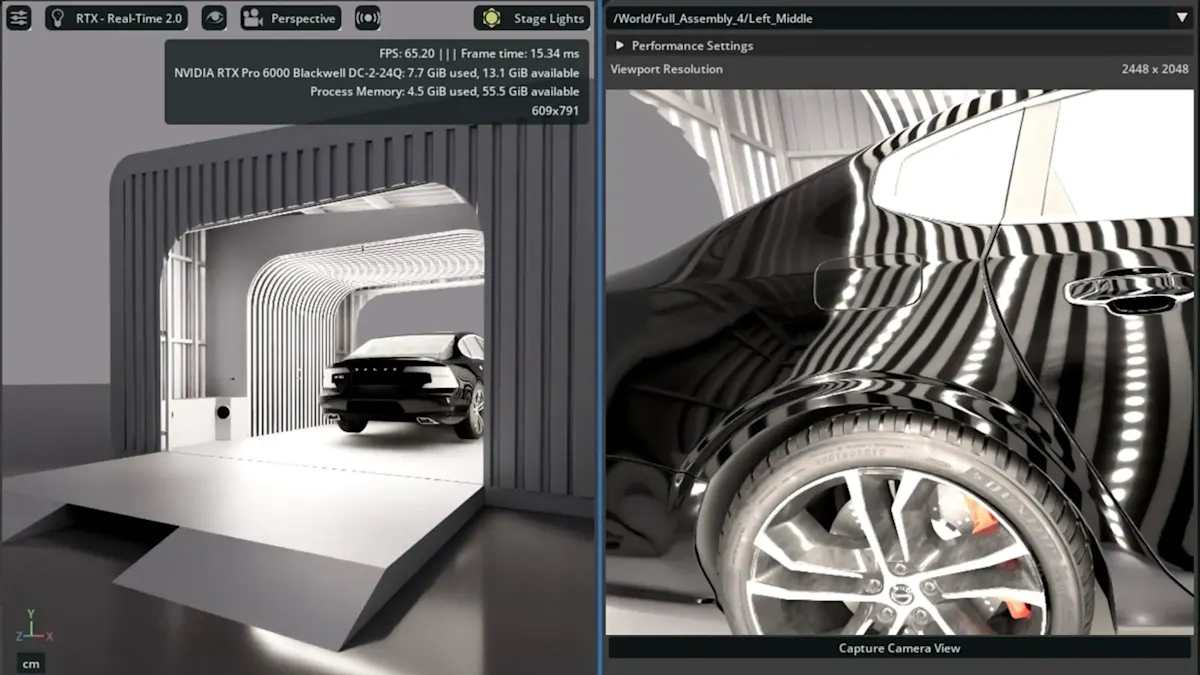
Developing an automated vehicle inspection system was the challenge the engineers at WeBuyCars were faced with. Utilizing machine vision was key, but building and refining prototypes was time-consuming. Virtual testing was a game changer: Basler Vision Simulation provided immediate answers, making WeBuyCars' development project faster, leaner, and, above all, less risky. It helped them move from prototype to a confident rollout. Synthetic images generated in the simulation can also help bring the AI model to a higher confidence level.
Machine vision enables automated vehicle inspections and business growth
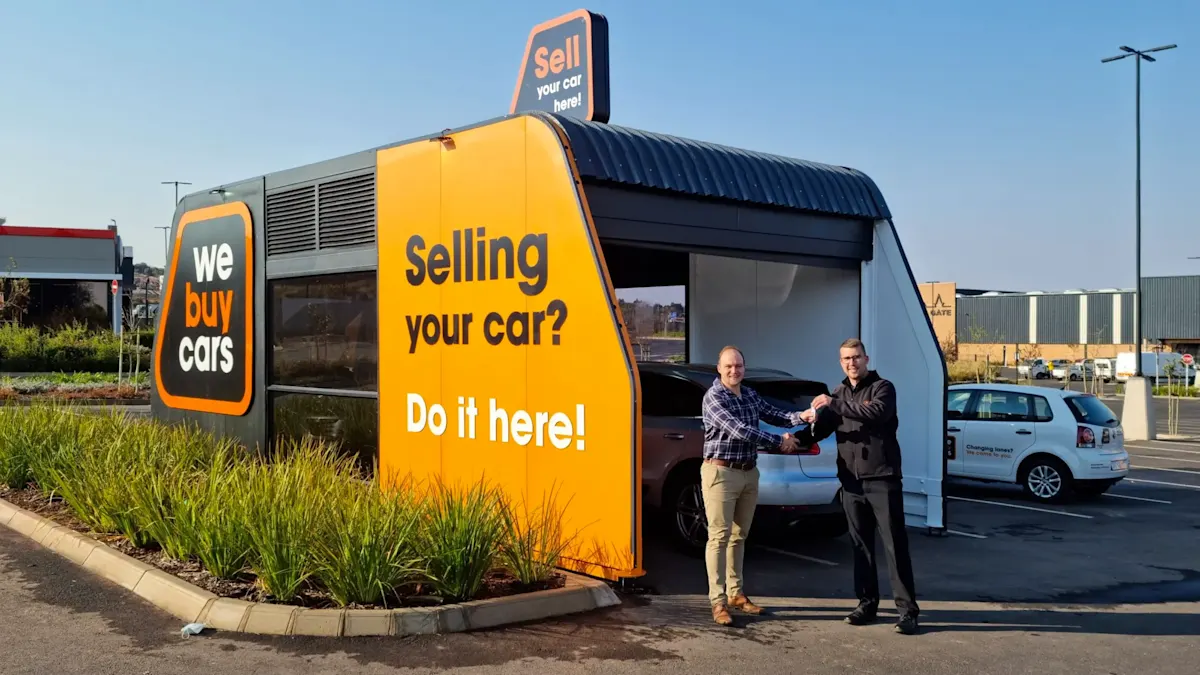
WeBuyCars buys and sells used cars at 18 warehouses and more than 100 Buying Pods across South Africa. Its buying process is designed to be simple and fast. To further increase consistency and speed, the company developed an automated solution for vehicle appraisals.
From inspection to purchase, the process takes about an hour
The WeBuyCars evaluation process is a quick 15- to 30-minute physical and mechanical inspection. A WeBuyCars employee thoroughly checks the vehicle’s interior, exterior, engine bay, and diagnostic codes, followed by a brief test drive. Finally, WeBuyCars verifies the vehicle’s documentation and service history before generating an official, instant cash offer. “We see ourselves as a technology company that buys and sells cars. To us, technology has the potential to make processes faster, more consistent, and scalable”, says Tiaan Liebenberg of WeBuyCars, summing up the company’s business approach.
Consistency is a key factor
Vehicle evaluations need to be highly consistent. Applying the same criteria regardless of who performs the appraisal ensures fair prices for sellers and builds trust with customers. For WeBuyCars, consistent evaluations also support reliable business decisions, as appraisals determine which vehicles are purchased and at what price. Inconsistent results can therefore directly impact profitability.
Automated vehicle inspection as a strategy for growth
To make it’s vehicle purchasing process faster, more reliable, and more consistent, WeBuyCars decided to move from manual exterior inspections to a fully automated scanning system powered by machine vision. The solution delivers standardized vehicle evaluations while streamlining the overall assessment process. The scan system consists of an arch equipped with several Basler ace 2 Pro cameras. As a vehicle drives through the arch, the system automatically captures it from defined angles and under consistent conditions.
Automation also frees up the employee's time. Instead of spending extensive time evaluating the vehicle's exterior and taking pictures, the person can focus on the mechanical side of the assessment, where human expertise remains important.
The system will help us ensure fast and reliable evaluation.

Developing in-house for greater control
Although off-the-shelf solutions are available, WeBuyCars decided to develop the inspection system themselves. The project is strategically important to the company, and building the solution in-house gives the team full control over how it works and evolves. It also allows them to combine their own software with best-in-class hardware to create a solution tailored to their specific requirements. Liebenberg summarizes the rationale: “We want to have full control over things. By developing the machine vision solution ourselves, we can shape the process and adapt it whenever our requirements change.”
Reduced development time:
From months to days with virtual vision
Traditional vision development processes involve many iterative steps: selecting the right camera, evaluating it, and repeating the cycle if results fall short. The entire process can easily take weeks. Liebenberg found himself caught in this intense cycle until he came across Basler Vision Simulation.
The first 1:1 prototype was built manually
By the start of 2025, WeBuyCars started building the first prototype. Liebenberg initially experimented with standard surveillance camera but quickly realized that a machine vision camera was needed for the application. After researching possible solutions, they came across Basler through its South Africa Sales Partner TANDM Technologies. They helped fine-tune the camera and lens selection for the system.
Impressed by the functionality and ease-of-use of the Basler products, the first physical prototype was finalized. The development team was able to test its concept in practice. "However, every change to the vision setup required new vision hardware, waiting for it to be shipped, integration work, and another round of testing", Liebenberg sighs. "The whole development process was really slow."
It is not until you've actually taken an image that you know for sure if your concept works.
Basler Vision Simulation significantly sped up the development process
transformed how WeBuyCars approached further development. The team could virtually test cameras from different positions and angles and evaluate vision setup performance without building every configuration physically. Instead of waiting for cameras to arrive and taking images, the team could explore different concepts efficiently. For an application requiring many cameras, this was particularly valuable.
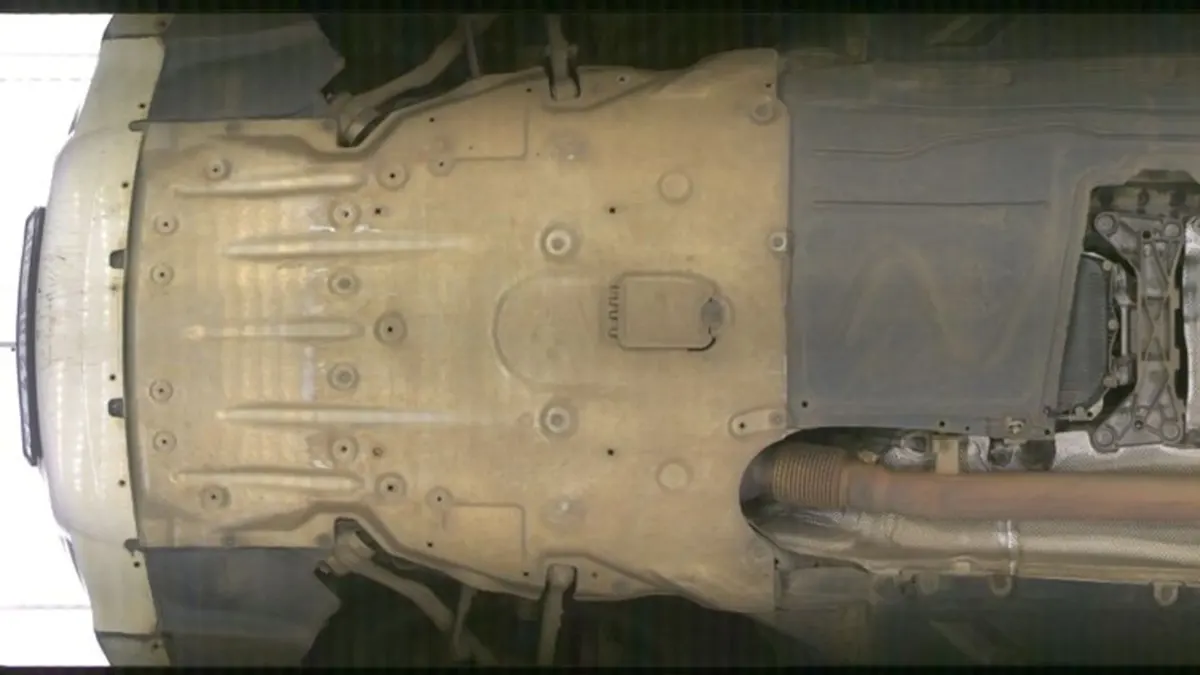
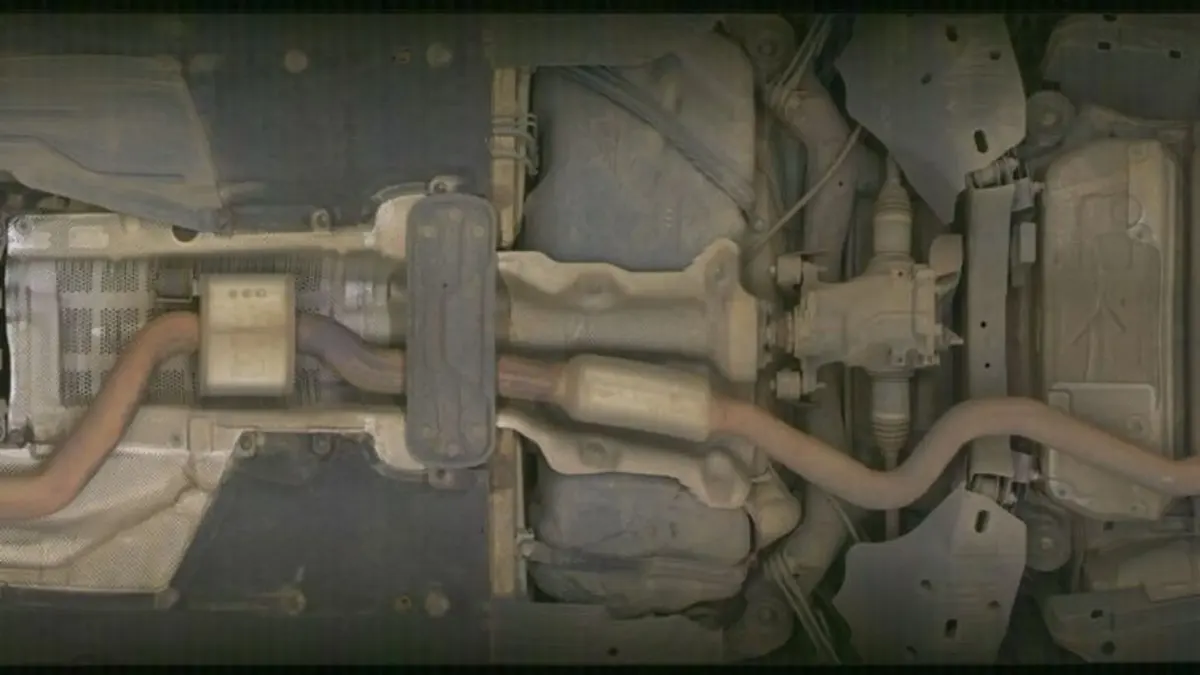
Notably, the WeBuyCars team does not include any vision experts. Yet in a short period, they adjusted the vision setup to capture the images they needed. The undercarriage, a critical inspection area, is a good example: The team stitched 600 images to create a complete view of the car's undercarriage, providing the comprehensive visual information needed for the evaluation process.
Vision Simulation also dramatically accelerated development. What would have taken months could be reduced to days. By simulating the vision setup, the team could demonstrate the feasibility and had confidence rolling the system out nationally.
Basler products and the Vision Simulation have made it possible for us to solve the task ourselves.
600 stitched images create a complete view of a vehicle's undercarriage:
 |  |
Low sim-to-real gap builds confidence
Just as vehicle evaluations need to be consistent, consistency and reliability are key in simulation processes. Liebenberg praises the results: "We are really happy: The simulation accurately predicts the real-world performance of the prototype. Basler products and Vision Simulation truly enable us." The low sim-to-real gap of Basler Vision Simulation gave WeBuyCars the required confidence not to make any mistakes and helped the team move from experimentation toward a concrete deployment plan.
Synthetic images can boost AI confidence level
Synthetic data generated through simulation can be used to create additional images featuring variations of different defects. The can help upgrade the AI model to a higher confidence level.
Creating training data for a wide variety of defects
Automating the visual inspection also brings challenges: The AI model must recognize a wide variety of defects, including barely visible ones. While some defects are easy to capture in real-world images, others are harder to capture or reproduce under different conditions—making it difficult to collect enough representative training data.
Hidden, repaired body damage is a good example. Differences in the paint finish of repaired body parts can be extremely subtle and may only be noticeable to experienced employees. In addition, the appearance of these defects can vary depending on lighting and imaging conditions.
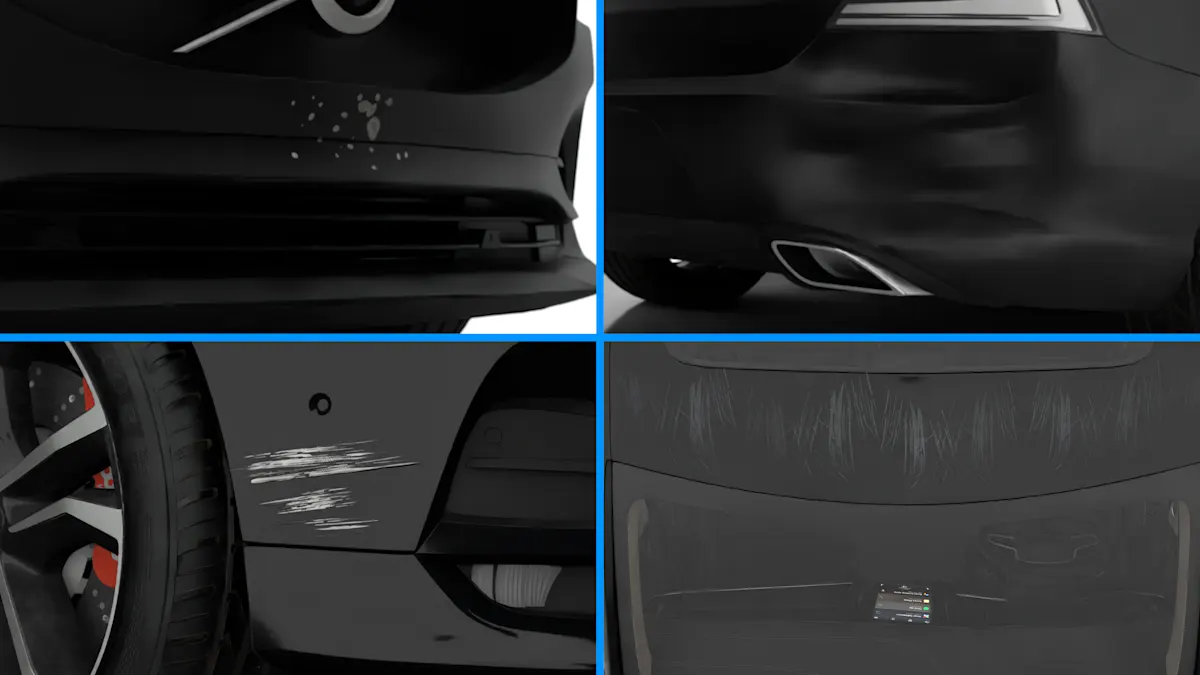
Synthetic images generated with Basler Vision Simulation can expand the available training data with additional defect types and variations. Teams can create a variety of defect scenarios virtually and generate images under varying lighting conditions. This allows them to systematically expand the range of training data, helping the AI model learn to recognize different defects and variations in their appearance.
A concept for new business opportunities
Owning the technology of the inspection system gives WeBuyCars the flexibility to take its automated vehicle inspection beyond its current application. The same capabilities could support new business models, such as automated evaluations of rental car returns or vehicle assessment services for insurance companies.
About WeBuyCars
WeBuyCars is South Africa's largest commercial buyer and seller of used vehicles, offering a fast, safe, and convenient way for consumers to sell their cars. The company provides immediate online valuations, conducts quick on-site physical inspections, and handles all paperwork with instant bank payouts.